Burnout in the Industrial Sector
About This Article
Burnout and fatigue are realities on industrial project sites. SilMan Industries deploys specialty trade teams across the United States. Some travel teams deploy to one location for several months or a year. Others support ongoing national programs that may require weekly travel hopscotching across the country. Our Safety Team is well-versed in monitoring and supporting these team members. This article shares their insights for employers, leaders, and team members who face these challenging conditions.
What is burnout?
“Burnout is a form of exhaustion caused by constantly feeling swamped. It happens when we experience too much emotional, physical, and mental fatigue for too long […] The condition isn’t medically diagnosed. But burnout can affect your physical and mental health if you don’t acknowledge or treat it.” (source: Burnout: Symptoms and Signs, WebMD)
If You Think Burnout is a White-Collar Problem, Think Again
Have you ever been consumed by a task that you couldn’t stop for any reason, even to use the restroom? In that state, any interruption feels like it would derail the project. Our natural inclination as committed professionals is to keep pressing until we complete the task to our satisfaction.
What if I told you this scenario depicts a skilled tradesperson, not a Wall Street executive or hi-tech entrepreneur?
Picture this: y\You’re in the middle of finishing a large slab of concrete, and it’s well past the normal time to go home, but the concrete will not stop curing just because you clocked out! It could ruin the entire pour if you don’t stick it out. At this point, the team must stay on-site through completion.
Or this: You’re asked to work extremely long hours, 12 on, 12 off, day after day, for months at a time, to install a new automobile manufacturing line. While the pay certainly helps to support the family, you are feeling the effects on your health, and you can see the impact on the crew’s work and attitude.
Beyond the obvious signs of fatigue, working long hours or nocturnal shifts can disrupt normal sleep cycles, resulting in less than the 7 hours needed each day. Many compensate for lack of rest by consuming caffeine and high-sugar foods for energy.
Traveling across time zones can take up to two weeks for our brain and body to fully acclimate. During this adjustment period, we often lose sleep, eat poorly, and feel sluggish. This means we may not be as functionally aware as we would be on our normal work schedule.
These elements set the stage for declining performance and increased fatigue and burnout.
Fact: Did you know that staying awake for more than 24 hours can feel like consuming 3-4 drinks of alcohol? The CDC states that it’s similar to having a blood alcohol content (BAC) of 0.10%, which is beyond the legal limit to drive a motor vehicle in the US. Obviously, feeling inebriated or intoxicated on the job can present serious consequences.
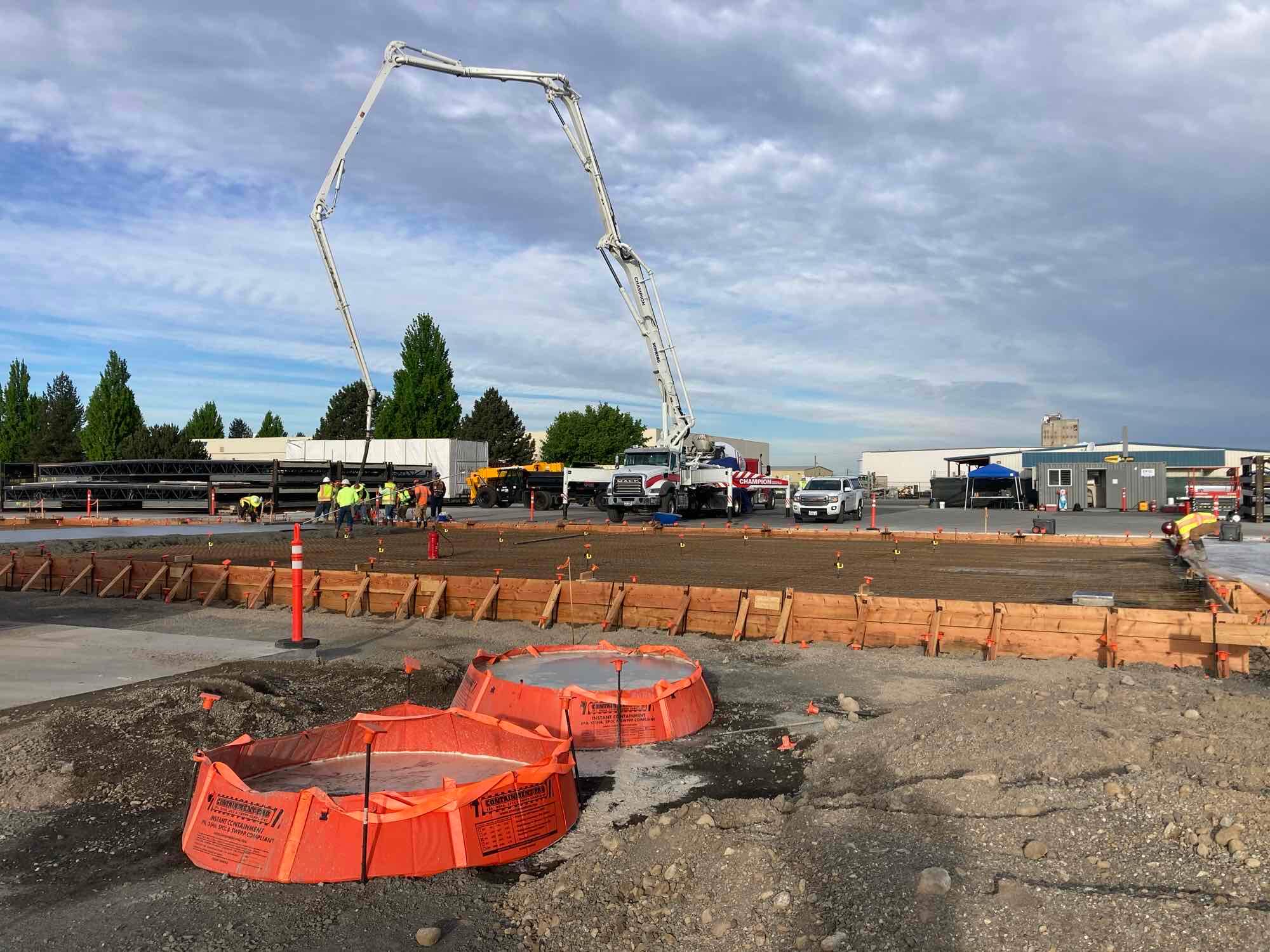
Civil Construction team deployed on a four-month multi-phase infrastructure project for a new distribution center.
Priorities to Prevent Burnout
Does this sound familiar? You are not alone. Most of us have experienced this. Perhaps more than we’d prefer, even with overtime pay. However, we all understand that in our line of business, there are times when external demands are beyond our control, and the stakes are high.
We must go beyond client and schedule demands and consider the safety and health of our team. Here are a few questions to consider when facing situations that may pose these challenges.
- Is there anything we can do to prevent the potential effects of burnout and fatigue?
- Is there something we can do differently?
- Do we need outside support to keep up with current demands?
But when considering the well-being of our team, we should also ask questions from a much bigger frame.
- How vital is this task, really?
- Is it more important than our team’s safety?
- Is it more important than my personal health?
- Is this more important than time with my family?
Of course not.
The point is that before we take action, our priorities must reflect a holistic view of success.
Health and Safety-Focused Policy
Prevention methods may include taking longer breaks when reaching milestones, adding more team members for support, delegating specific tasks to others, or using more efficient tooling and equipment. Or, we may need a little time off to refresh.
The bottom line: even with policies in place, each team member must learn to practice self-care to stay healthy and productive. Here are items to consider:
- Avoid accepting the mission to work extreme hours with tight schedules.
- Use every minute of your allotted breaks and meal periods. Focus on personal business only.
- Step outside in a different environment to get fresh air and clear your mind.
- Do something different to break the monotony (go for a walk, listen to music, read a book, etc.).
- Eat as healthy as possible. Consume food with good nutrition and water with electrolytes.
- Get adequate rest as soon as possible. Recharge your mind and muscles.
- Avoid social media, outside distractions, and external chaos.
- Avoid making major decisions
- Spend time with family and friends at home or away from work. Avoid talking about work.
- Report any health or mental concerns to your supervisor.
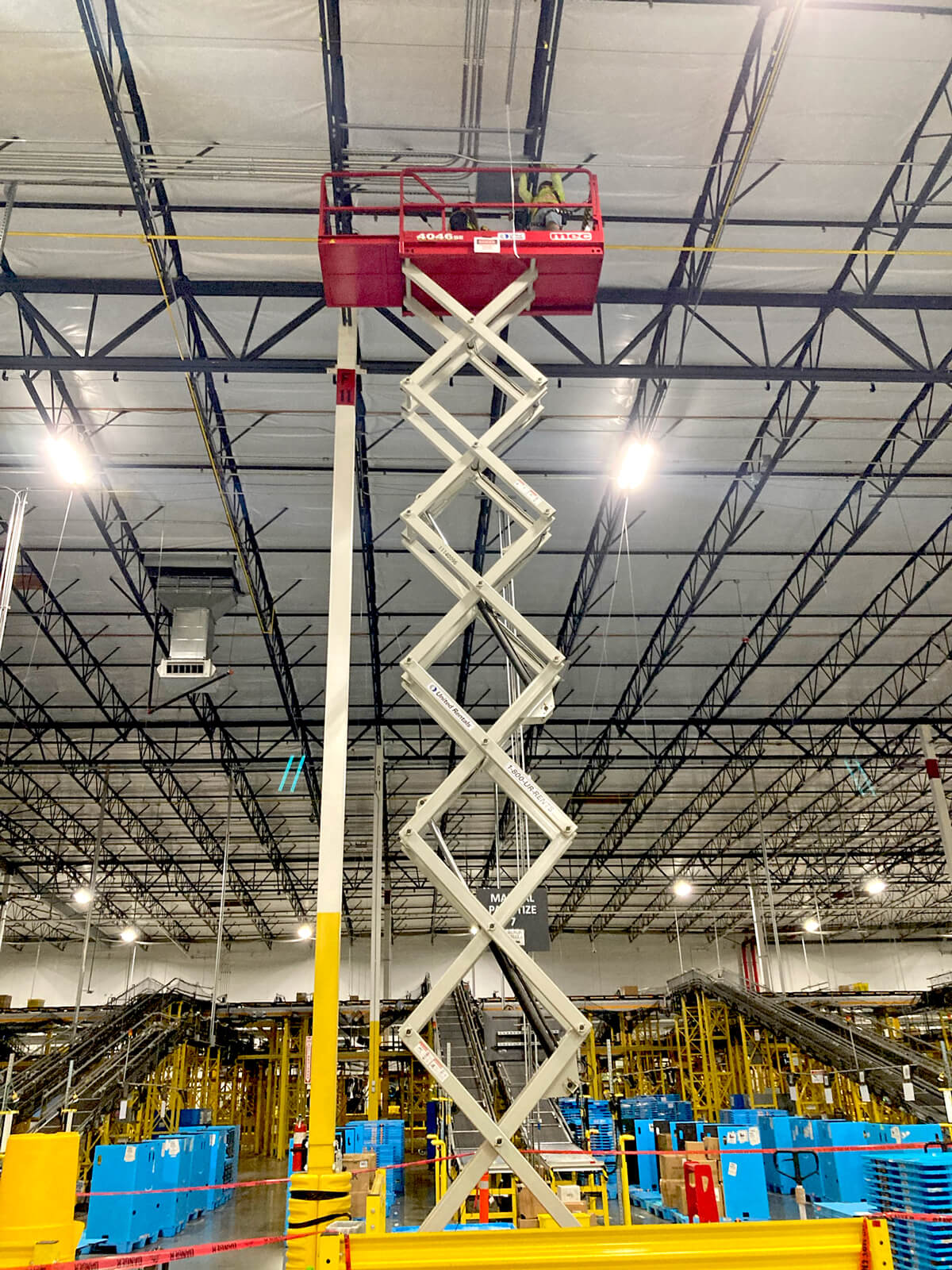
Mechanical-Electrical team on a retrofit project working near active operations and often during “graveyard” hours over multiple sequential weeks.
Setting Boundaries to Limit Fatigue
Supervisors and clients who push workers beyond their capacity do not fully understand its impact on personal safety and the project’s success.
No matter how much we’re getting paid or physically fit, we are all human. Each of us has a breaking point where we will undoubtedly fail, get hurt, or cause someone else to be injured. It’s our job as leaders to know where that line is. And it’s different for everyone. Some have more endurance than others, and some may need more time off, rest, etc. Others may want to satisfy their supervisors or are concerned about keeping the job on time. Regardless, we all need to know our limitations for ourselves and the whole team. Sure, we could do overtime for a week or two, but leaders must be mindful when considering working beyond standard capacity.
The Impact of Fatigue
Statistically, more incidences occur when workers are rushed or work extremely long hours, especially over prolonged periods. Ultimately, extreme hours and schedules set up teams to fail. Even our government mandates breaks and lunch, even if not paid. The intent is to provide everyone an equal opportunity during the workday to rest, grab a quick bite, sip some water, or make an important phone call.
For example, this is the primary reason the DOT mandated reporting of Hours of Service (HOS), where it is illegal for Commercial Drivers to operate more than 10 hours in a 24-hour shift, regardless of miles covered.
Typical metrics when burnout and fatigue become health and safety concerns:
- 16 hours of work per day for more than 2 days,
- 80 hours total per week beyond 2 weeks,
- 2 weeks of 7 days/week (back-to-back)
- 8 hours of continuous work without rest
You may also enjoy this article.
Signs and Symptoms of Burnout and Fatigue
Good health on industrial job sites begins with proactive scheduling and safety-focused planning. However, even with the best-laid plans, circumstances can produce stressors. Therefore, it is important to identify the signs of declining wellness.
- Impaired judgment and coordination
- Brain fog, drowsiness, dizziness, feeling sluggish or inebriated (similar to being intoxicated)
- Muscle aches and cramping
- Irritability towards others
- Headaches
- Increased blood sugar, hypertension
- Irregular hormones (modifying support for growth, metabolism, stress, and immunity)
- Dehydration and exhaustion
- Decrease in performance and efficiency
- Adverse health effects (poor nutrition, lack of sleep/rest, mental stress, and depression)
- Increased risk of incidences (unsafe acts, missing vital steps, taking shortcuts, forgetfulness, injury to self or others, fatalities, and catastrophes)
What can we do to prevent burnout and fatigue?
There are many things that both employers and their employees can do to prevent burnout. The employer plays a significant role in prevention, and each employee has personal responsibilities.
Tips for Employers and Leaders
- Revise the current Project Schedule. Or, don’t sign the contract until it’s revised
- Mandate breaks and lunch periods throughout the shift (or at certain milestones)
- Avoid working beyond normal limits (>80 hours/wk, 16 hr days, etc.)
- Modify hours of work to balance out trades and tasks
- Allow for time away with family. Promote a work/life balance
- Avoid rushing or speeding up to meet the current schedule
- Use more efficient tooling/equipment.
- Add more team members to the job
- Hire a subcontractor for added support
- Keep an eye on everyone’s health, morale, and mental capacity
- Stop work when it’s clear that mistakes are becoming frequent, and safety is compromised
- Report any health or mental issues immediately
Tips for Professional Tradespersons
- Avoid accepting the mission to work extreme hours with tight schedules
- Use every minute of your allotted breaks and meal periods. Focus on personal business only
- Step outside in a different environment to get fresh air and clear your mind
- Do something different to break the monotony (go for a walk, listen to music, read a book, etc.)
- Eat as healthy as possible. Consume food with good nutrition and water with electrolytes
- Get adequate rest as soon as possible. Recharge your mind and muscles
- Avoid social media, outside distractions, and external chaos.
- Avoid any major decisions
- Spend time with family and friends, at home or away from work. Avoid talking about work
- Report any health or mental concerns to your supervisor
About SilMan Industries
SilMan Industries (previously SilMan Construction) is based in San Leandro, Calif., with Engineering and Field Operations offices in Tupelo, Miss. The firm provides integrated turnkey solutions in the Industrial, Manufacturing, Distribution, and Public Works sectors.
Notably, in 2010 SilMan Industries was contracted to dismantle and remove the NUMMI assembly line in Fremont, Calif., transport the equipment, and reinstall the system in Blue Spring, Miss., establishing Toyota Motor Manufacturing Mississippi (TMMMS). This high-visibility project ignited the company’s meteoric growth, laying the foundation for SilMan’s national service area.
For more information, please visit www.silmanindustries.com/about.

Frequently Asked Questions for Burnout in the Industrial Sector
What are the primary signs of fatigue on an industrial job site?
Common signs of fatigue include slowed reaction times, reduced coordination resembling intoxication, impaired judgment, brain fog, headaches, and increased irritability. In industrial environments, this often leads to "micro-sleeps" or a failure to follow standard safety protocols. Recognizing these physical and behavioral cues is vital for preventing workplace accidents and ensuring team safety.
How does worker burnout impact industrial safety and productivity?
Worker burnout increases the likelihood of human error, which is a leading cause of industrial accidents. Exhausted employees experience decreased focus and lower cognitive function, resulting in more "near-misses," increased equipment damage, and significant project delays. Addressing burnout is essential for maintaining high-performance standards and OSHA compliance.
What is the best way to prevent fatigue in construction and manufacturing?
Employers should revise schedules to avoid exceeding 80 hours per week or 16-hour days, implement structured rest and lunch breaks, optimize shift rotations to allow for natural sleep cycles, and foster a "safety-first" culture where workers feel comfortable reporting exhaustion. Professional project management ensures labor is deployed efficiently to prevent overexertion and reduce fatigue-related incidents.