
Material Handling Solutions
Warehouse Control Systems (WCS): The Intelligence Driving Automation
Bridging the Gap in Material Handling and Control
In the complex ecosystem of modern distribution and fulfillment operations, a critical gap exists between high-level business planning and real-time physical operations. Warehouse Controls Systems (WCS) bridge the divide, serving as a layer of operational intelligence, strategically positioned between the planning software and the physical automated equipment on the floor.
While the Warehouse Management System (WMS) tells the facility what to do (what orders to pick, where to store inventory), the WCS executes the action. It manages the minute-to-minute flow of material handling equipment (MHE), ensuring that cartons, totes, and pallets move efficiently, are correctly routed, and reach their destinations at the precise moment required.
Without a WCS, complex automation assets—such as sorters, conveyor systems, and robotics—would operate in isolation, failing to achieve the synchronized throughput expected from modern material handling systems.
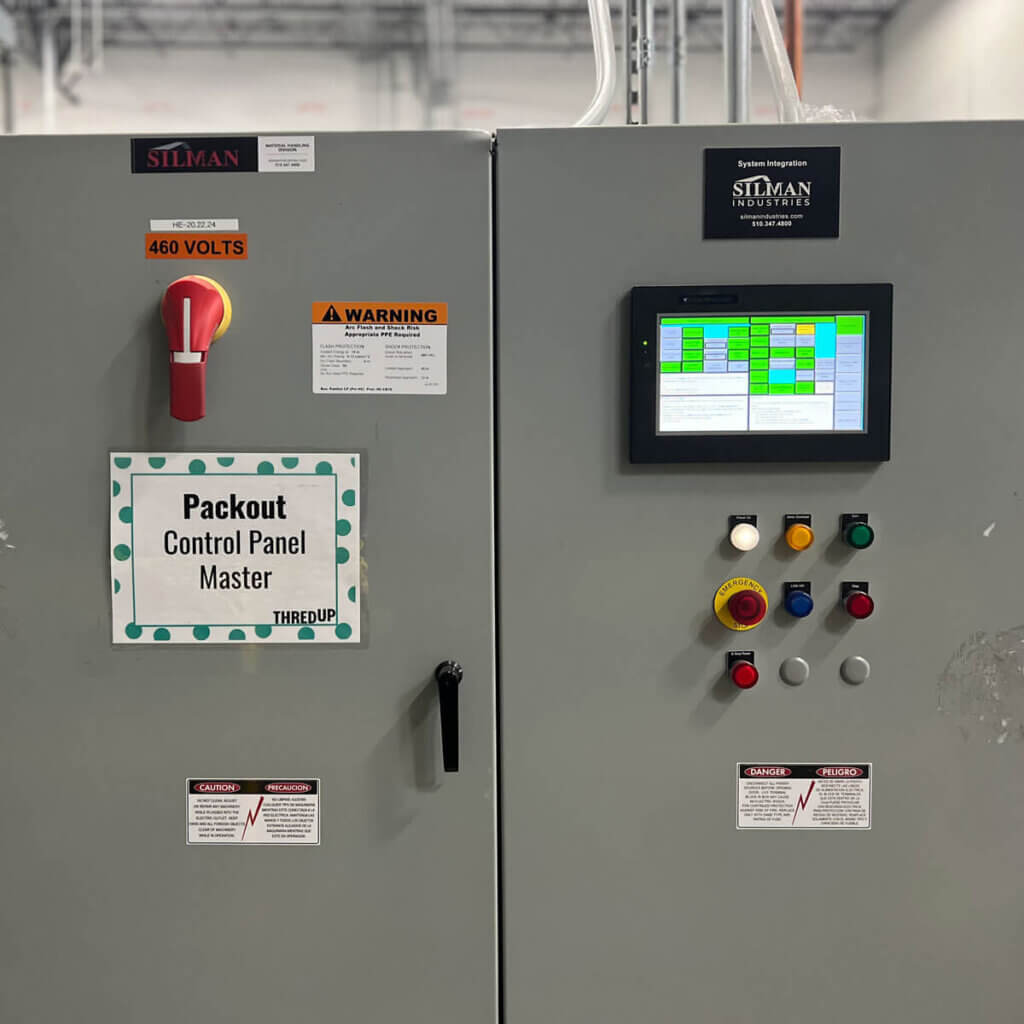
Design and Controls Features for Peak Performance
The WCS is fundamentally an execution platform that maximizes equipment utilization, maintains flow, and minimizes downtime.
Flow Control and Accumulation Logic: WCSs use proprietary algorithms to manage the spacing and speed of packages on the conveyor system. It implements Zero-Pressure Accumulation (ZPA) logic to prevent physical contact, maintain consistent product flow, and maximize utilization of available conveyor space.
Intelligent Routing and Sortation: This critical feature, known as Sortation Control, takes an instruction from the WMS (e.g., “send Order 123 to Pack Station B”) and determines the quickest physical path through the sorters, diverters, and transfers. It dynamically reroutes product to bypass congested areas, optimizing line balance in real time and ensuring the fastest route for priority orders.
Equipment Handshaking and Sequencing: The WCS ensures that complex, multi-asset tasks occur in the correct sequence. For instance, it manages the precise timing between a barcode scanner, an in-motion scale, and a Print and Apply (P&A) labeler to ensure accurate data capture and product placement.
Dynamic Decision Making: The WCS can make real-time decisions that surpass simple WMS instructions. In the event of a sorter land line back-up, the WCS doesn’t wait for the WMS to respond; it immediately diverts the carton to an overflow or secondary lane and updates the system status, ensuring continuous throughput with minimal interruption.
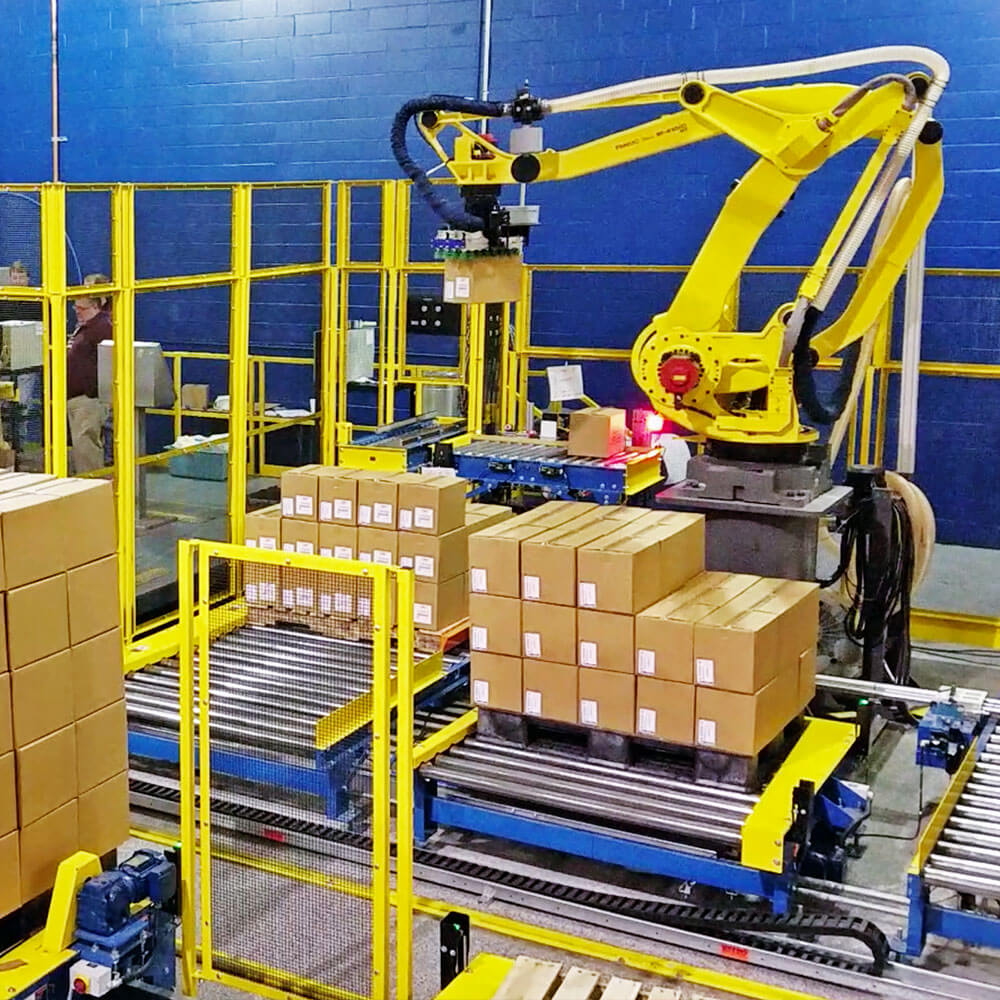
Core System Elements of the WCS Architecture with the UNISON Advantage
The WCS integrates software logic with physical controls to achieve synchronization across diverse MHE. Its elements are focused on execution, coordination, and fault recovery.
| Element | Role in Operational Execution | UNISON WCS |
|---|---|---|
| Logic Engine | The core software component that translates WMS directions into real-time, sequential commands for MHE. Manages rules for routing, flow, accumulation, and system pacing. | Custom PLC Programming and Logic Development, guaranteeing alignment with specific MHE layouts. |
| MHE Interfaces (PLC/I/O) | Direct software connection to the programmable logic controllers (PLCs) and input/output devices of all physical equipment (e.g., scanners, photo-eyes, motor starters). | Seamless Interface with WMS Platforms and direct connectivity to all major MHE vendors. |
| Real-Time Data Collection | Receives instantaneous feedback from system devices (e.g., barcode scans, weight measurements) to confirm every transaction and update the system status. | Data Collection, Diagnostics & Reporting Tools providing audit-level traceability. |
| Operator Interface/HMI | Provides floor operators and supervisors with real-time status updates, error notifications, and control capabilities for system start/stop and fault resolution. | Intuitive and simple Command and control from a single solution, improving user experience. |
Execution and Futureproofing
The strategic value of a WCS extends far beyond daily task management.
Simplified Integration and Future Scalability are key advantages: by acting as a single, consistent interface to all physical equipment—including conveyors, robotics, ASRS, and AMR—the WCS simplifies integration with high-level WMS or ERP systems. This crucial function protects the WMS from hardware complexity and
future-proofs the automation investment against technological changes.
Moreover, a successful warehouse control system is more than just software. System Implementation and Execution require a clear understanding of the client’s operation, insightful design, and superior craftsmanship.
The SilMan controls group delivers unique value by providing hands-on experience and deep operational insight to ensure a seamless, reliable implementation. No matter what level of technology you are at today, there’s always a “best next step” toward ROI-justified automated applications.
- Connect: Learn more about SilMan’s UNISON WCS, and harmonize every element of your warehouse operation.
About the Company
SilMan Industries (previously SilMan Construction) is based in San Leandro, Calif., with Engineering and Field Operations offices in Tupelo, Miss. The firm provides integrated turnkey solutions in the Industrial, Manufacturing, Distribution, and Public Works sectors.
Notably, in 2010 SilMan Industries was contracted to dismantle and remove the NUMMI assembly line in Fremont, Calif., transport the equipment, and reinstall the system in Blue Spring, Miss., establishing Toyota Motor Manufacturing Mississippi (TMMMS). This high-visibility project ignited the company’s meteoric growth, laying the foundation for SilMan’s national service area.
For more information, please visit www.silmanindustries.com/about.

Frequently Asked Questions for Warehouse Control Systems
What is a Warehouse Control System (WCS)?
A Warehouse Control System (WCS) is software that bridges Warehouse Management Systems (WMS) and automated equipment, managing real-time material flow for cartons, totes, and pallets. It optimizes conveyor systems, robotics, and sortation to ensure synchronized throughput in distribution and fulfillment operations, reducing downtime and enhancing efficiency.
What is the difference between a WMS and a WCS?
A Warehouse Management System (WMS) focuses on high-level inventory management such as inventory tracking and order management. A Warehouse Control System (WCS) manages the real-time execution of physical tasks by directing automated equipment like conveyors, sorters, and robotics to move products according to the WMS's instructions.
How does a Warehouse Control System improve warehouse efficiency?
A WCS improves efficiency by optimizing material flow and reducing bottlenecks in real-time. It maximizes equipment utilization through intelligent routing (finding the fastest path for products), accumulation logic (preventing jams on conveyors), and equipment synchronization (coordinating scanners, scales, and labelers to ensure high-speed, continuous throughput). WCS provides real-time diagnostics, audit-level traceability, and scalable integration to future-proof a facility's automated systems.
Why is a WCS necessary for warehouse automation?
A WCS is necessary because it is the interface between high-level business software and diverse array of automated equipment that moves products in a facility. It handles the complex handshaking and sequencing required to coordinate multiple machines to work together efficiently. In addition, a WCS future-proofs the system by simplifying equipment upgrades and ensures the facility can make dynamic, split-second routing decisions that a WMS cannot.
