Controlling Hazardous Energy
Five Core Elements of an Effective Hazardous Energy Control Program
Energy is life
Energy has been with us since the beginning of time (Genesis 1:3-5). Energy has created the cosmos and floats around us and through us. It pumps us up at the gym, lights up our homes, and runs heavy industrial equipment. Energy is vital to sustain life.
Positive energy is infectious. We love to hang around positive people. Their energy is literally a “charge” that brings us joy.
The fact is, we cannot survive without it. However, …

The Dangerous Hazardous Energy
There’s negative energy out there as well. Some of us have had the misfortune of encountering all sorts of negative emotions. These painful experiences teach us to avoid “bad” energy.
This is very similar to working with energized equipment that can be hazardous to our safety and health.
Far too often there are horror stories in the news about workers becoming trapped, entangled, cooked or mutilated by operating machinery. These tragic stories continue to occur, despite well-intentioned, yet inadequate, safety programs and/or training.
However, recalling these events serves as a reminder of the danger that energy can bring to industrial settings.
And, they illustrate the importance of developing a comprehensive and effective Energy Control Program, based on your specific work environment.
Understanding Safety in Powered Areas
Ultimately, creating a safe environment is key for a successful project. And understanding how to control hazardous energy in your workplace is a critical component of jobsite safety. The exposure to dangerous and often fatal energy is commonly underestimated.
Moreover, properly controlled energy can also contribute to productivity. When we remove harmful energy, our teams can work more comfortably and effectively. Just like in our personal and professional relationships.
Since energy comes in many forms, frequencies, and magnitudes, we must understand how it can affect our safety and health. Given that we sometimes have no choice but to work with energized equipment or machinery, we must have a written plan to effectively control it.
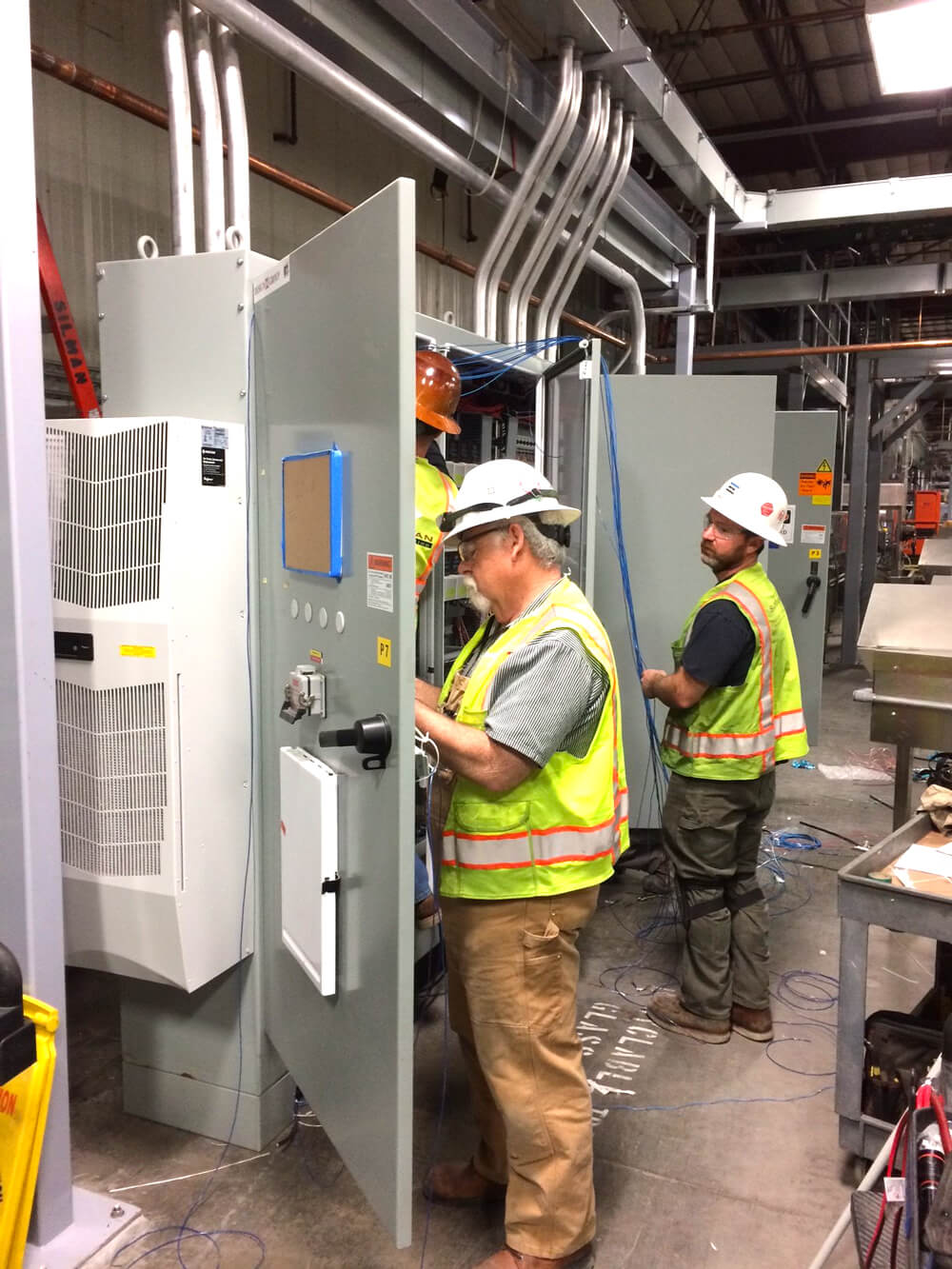
SilMan works with many large clients across the nation that have running conveyor belts or operating heavy manufacturing equipment, which all contain stored hazardous energy.
Our safety program is a vital part of our culture and overall success. The program includes a complete job site walk-through with plant representatives before work commences. SilMan supervisors identify the machinery and equipment present and provide an overall assessment of stored energy potential and hazardous chemicals risk.
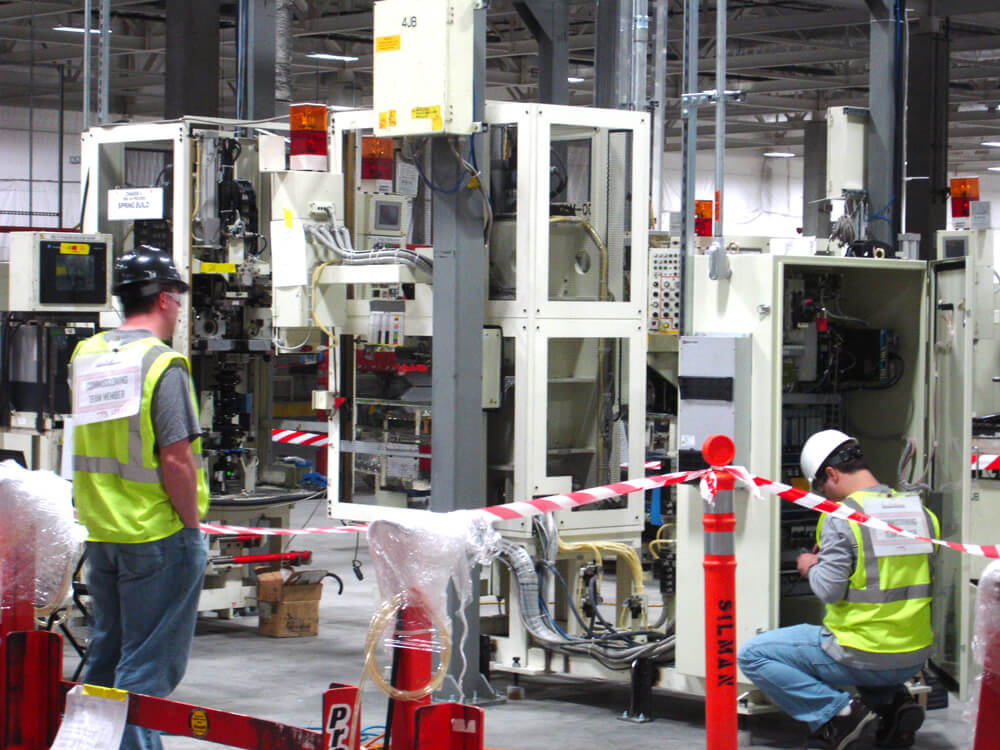
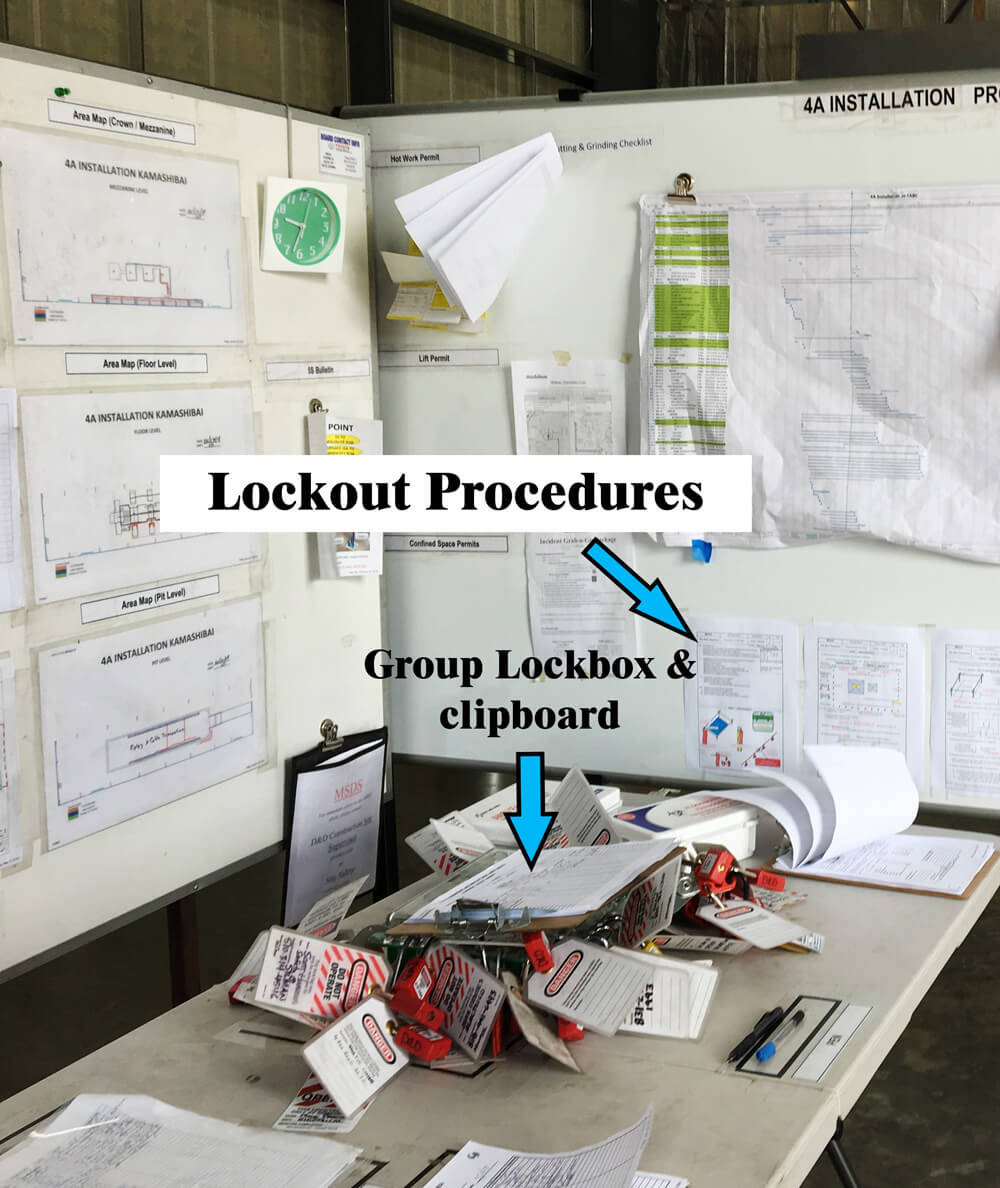
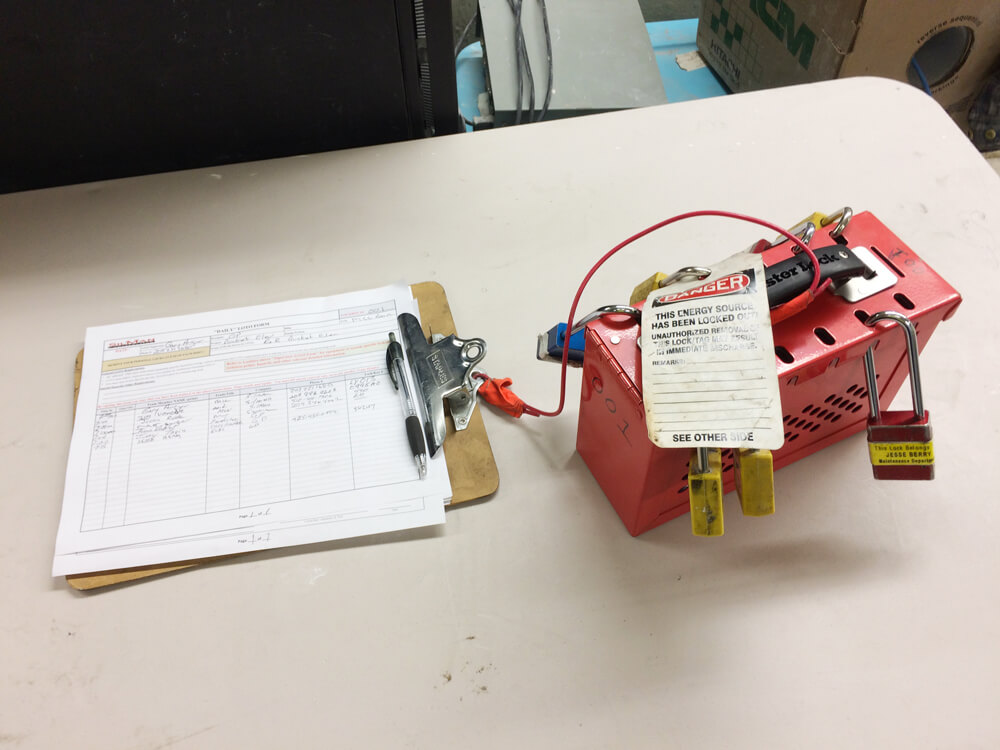
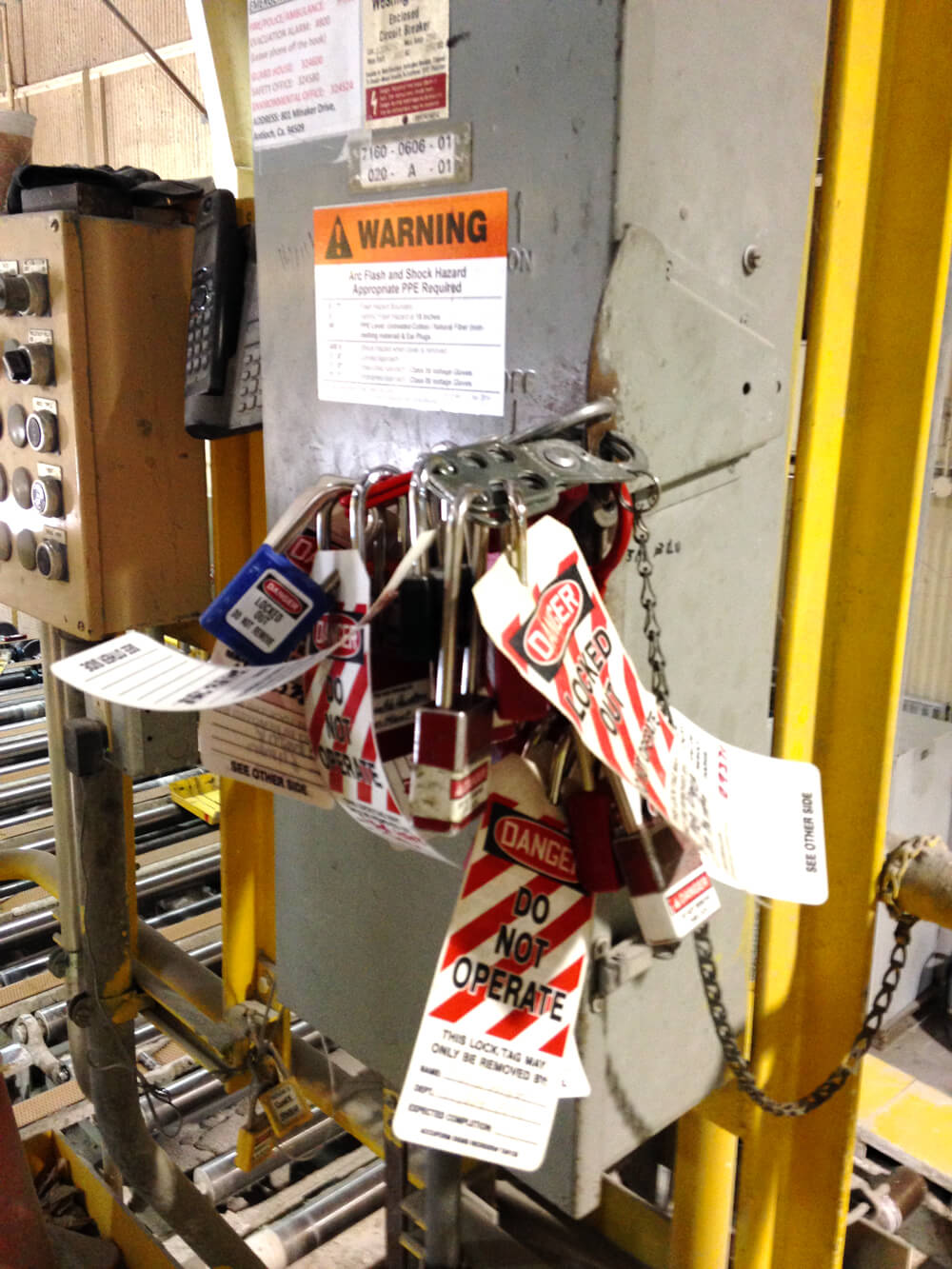
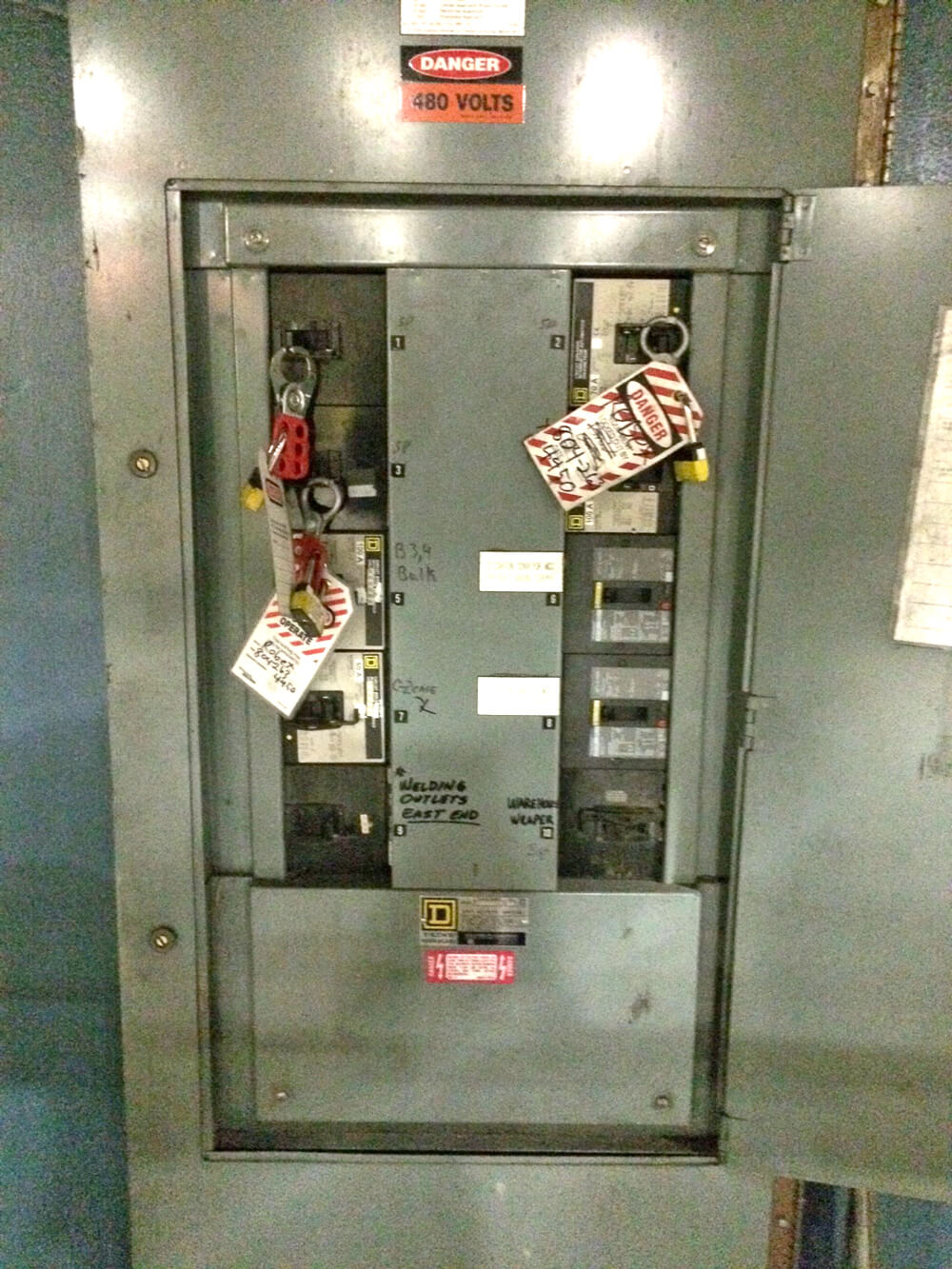
Gallery: Hazardous Energy Control in Practice
Controlling Energy Effectively
Create a Safe Work Plan
Regardless if the equipment is “live” or “potentially live,” it is imperative that engineering controls are in place in order to provide a “safe and controllable” working environment.
Therefore, a “Safe Work Plan,” or equipment specific Lock-out, Tag-out procedure (“LOTO”) must be developed before working with energized equipment. This plan may be simple or complex, yet typically includes the following basic control methods:
- Trace and identify all energy sources with client management.
- Request client authorization to shut down energized process equipment.
- Provide training to affected workers on known energy sources and shut down procedures.
- Shut-off electrical circuits at the source, then verify absence of power.
- Close isolation valves and bleed/drain pressurized air or fluid lines.
- Lock-out and tag-out all isolation control points (aka LOTO).
In addition, there are other energy sources to consider, such as thermal energy, spring loaded tension, hydraulic pressure, programming controls, closable entry points to confined spaces, hazardous chemicals, or even gravity itself.
These basic steps will help you establish the foundation for creating a safe working condition involving your own powered equipment.
When outside contractors work at a host production facility, it is both the contractor and the host employer’s duty to protect all workers from any known hazard. This includes stored energy sources. Therefore, it is imperative to have written plans (procedures and controls), posted signage and effective training in place. These efforts will help to maintain a safe and healthy environment during any maintenance, repair, alteration, decommissioning or commissioning activities.
And by the way, It’s the law!
OSHA’s regulation on “The Control of Hazardous Energy” (CFR 1910.147(c)(1)) requires employers to have an effective Energy Control Program in place when workers are exposed to stored energy.
For more information about what OSHA has to say, here is their Fact Sheet on the topic.
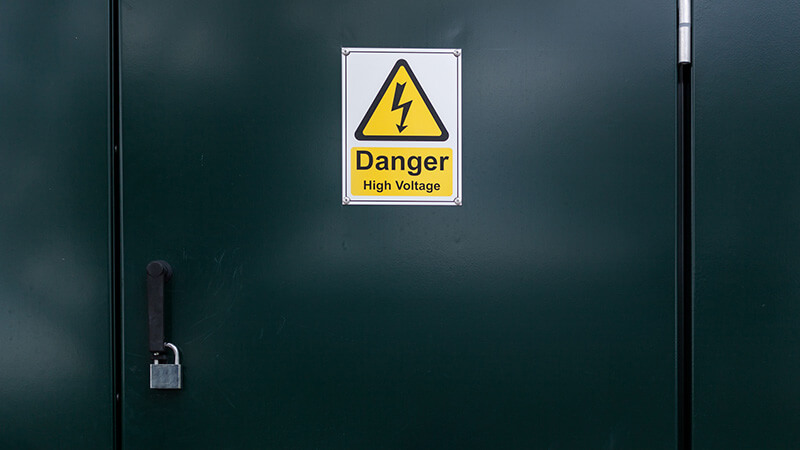
Five Core Elements for your Effective Energy Control Program
As promised!
Here are five core elements that should be a part of your company’s Hazardous Energy Control Program:
- Define purpose/scope of program, including titles, roles, and responsibilities for supervisors and affected workers involved.
- Identify the specific equipment involved, including all hazardous sources of energy and chemicals used in the process.
- Develop a detailed step-by-step procedure on how to effectively control or “de-energize” each energy source, based on simple or complex conditions, including the location of each isolation control point. Photos always help. This must involve procedures for both shut-down and start-up phases.
- Establish methods to properly use lockable control devices, ID tags, and the use of individually-keyed locks during simple scenarios or group lockboxes for complex scenarios.
- Include procedures for training, communication, periodic inspections, documentation and record keeping required of the entire team or parties involved.
Obviously, there are a lot more detailed requirements for Energy Control Programs, but these five core elements provide a general guideline to ensure that you are headed in the right direction.
Sample: Energy Controls in a real world scenario
Working inside of a robotic weld cell at an auto plant simply to make minor adjustments/repairs on the welder tip, may require the following controls:
- Gravity control – Position the robot to a lowered resting (home) position.
- Electrical control – Shut off & lockout 480v circuit feeding robot, welder, conveyor drives & control power panel (LV data controls, PLCs, light sensor bars and gate entry sensors).
- Pressurized Air & Fluid control – Close, bleed and lockout pressurized air, hydraulic and/or cooling water valves feeding robot and welder unit.
Conclusion
Energy is essential to life. Becoming its master, not its servant, paves the road to success. However, energy has a dark, dangerous side. Understanding its power, and how it can affect us will help us control and manage it more effectively. In doing so, we can convert potentially negative energy into positive outcomes.
As a reward for making it to the end of this article, I am offering you a free copy of SilMan’s Standard LOTO Procedures (aka Energy Control Program). Want a copy? Contact Scott Harding at (safety@silmanconstruction.com). Just type “I read your article” in the subject line.
Are you launching a new energy safety program? If so, we are happy to recommend our partners, Master Lock and Brady. They consistently support our culture of safety here at SilMan, and have everything you need to get started.
And of course, if you’d like to discuss how SilMan can provide any of these services at your workplace, please reach out. I would love to have that conversation.