Industrial Housekeeping as a Business Strategy
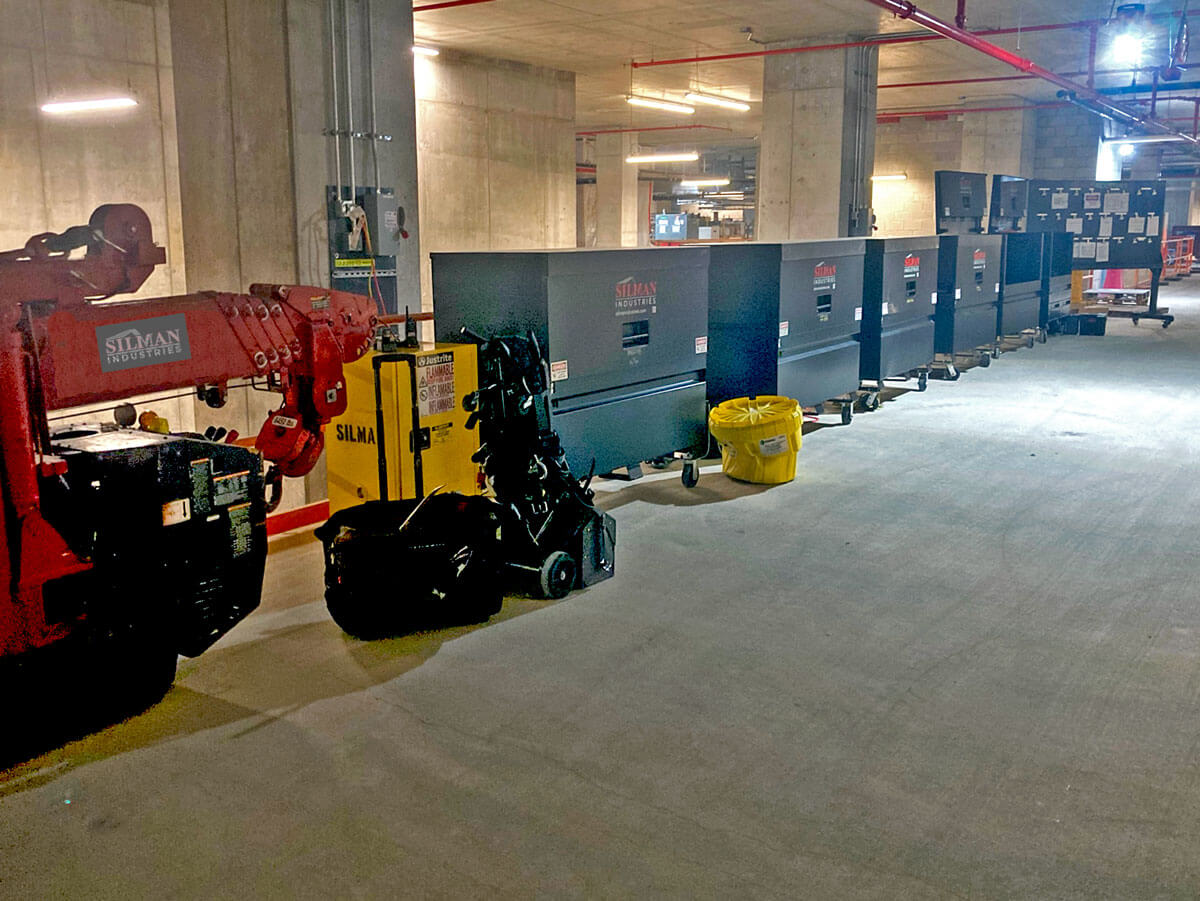
SilMan’s Mechanical-Electrical Team onsite (Photo Credit: Scott Harding for SilMan Industries).
Industrial Housekeeping
Five Ways to Create a More Profitable Worksite
Ironically, industrial housekeeping appears to be the most achievable of safety initiatives. Yet despite the simplicity, poor housekeeping plagues many industrial concerns. The most common excuse for not maintaining a clean workspace is not having enough time.
- “We’re too busy,” or “there’s not enough time to clean” as workers commonly express.
The fact is, in today’s highly-competitive environment, it is even more important than ever to keep workplaces in tip-top shape. In spite of this reality, most companies still struggle to maintain talent and maintain a SAFE, productive, and satisfying workplace. Good industrial housekeeping not only speeds up production and keeps workers safe but also builds morale and improves profitability.
Learn from the Master
Origins of Industrial Housekeeping
 Toyota is the originator of the Japanese “Five S” methodology. Luckily for SilMan, we have been working with Toyota since our company was established. Moreover, some of our Team Members have been working closely with Toyota for over 30 years. In short, we’ve learned directly from the masters.
“Good Housekeeping” (not the magazine) is a basic level of order that supports the safety and productivity of a well-run worksite. And it is much more about business objectives than it is about just being “clean.”
The “Five S” Approach
Let’s take a fresh look at a few reasons why the “5S” methodology remains such an important part of any industrial operation. As a quick reminder, here are the Five S’s:
- Sort – Sorting through items in a location and removing unnecessary items.
- Set in order – Arranging all necessary items in a workplace in the most optimal place, based on their function and ease of selection.
- Shine/Sweep – Shine, sweep, clean, and inspect the workplace, including tools and machinery, on a regular basis.
- Standardize – Establish processes, procedures, and schedules used to sort, order, and clean the workplace to ensure the repetition of the first 3 S’s.
- Sustain/Self-Discipline – Sustain the process by self-discipline of workers to ensure the 5S method is continuously followed and maintained as a standard.
It doesn’t stop there. More S’s can always be added to the original 5, such as Safe, Store, Secure, Smell, Segregate, Supervise, Scrap, Straighten, etc…
The Story behind the 5S Method
The origin of the “Five S” method is a great story in itself. The Wikipedia article on this subject is excellent, so we won’t go into detail other than to share the link.
What catches our attention in this article is that this system is not the brainchild of an uptight, OCD floor manager from another era. On the contrary, the idea flows from the need for efficiency in a “Just In Time” manufacturing environment. (Here is a very brief overview of “JIT” from The Economist). It is hard to find a topic more relevant in 2018!
This gets us to the point: Industrial Housekeeping is about profitability. Likewise, a clean, organized workplace produces satisfied, productive teams and environments.
Industrial Housekeeping in Action
Clean, Efficient, and Organized Job Site
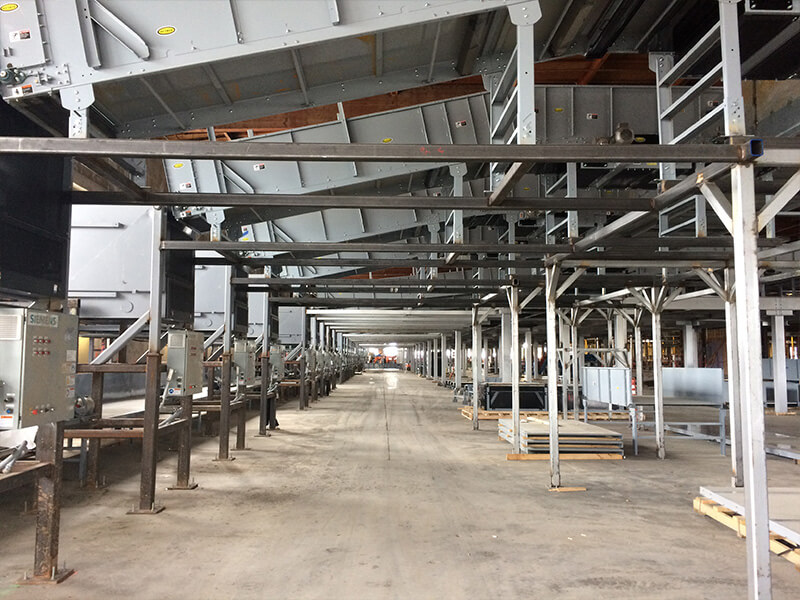
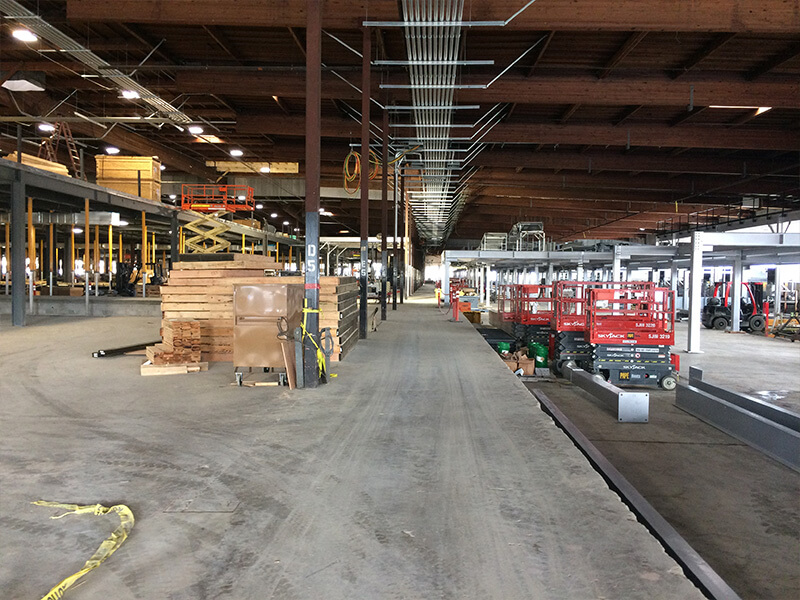
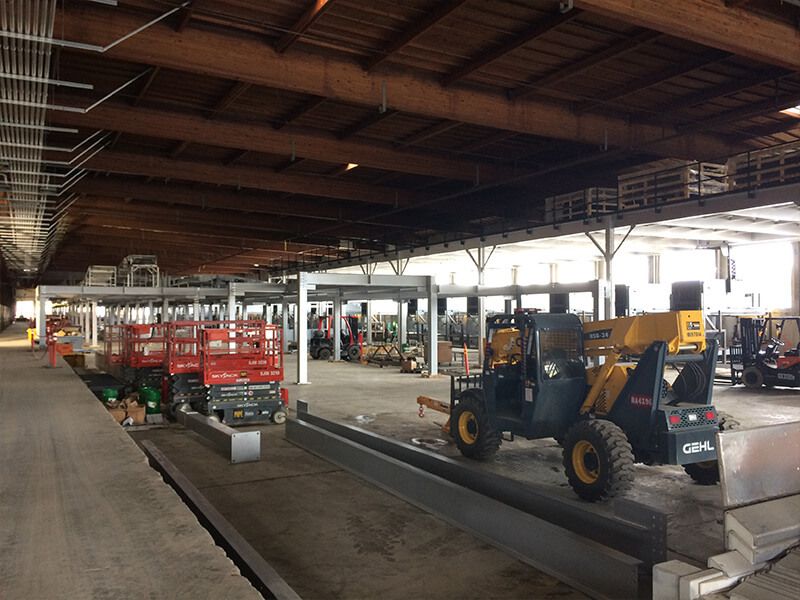
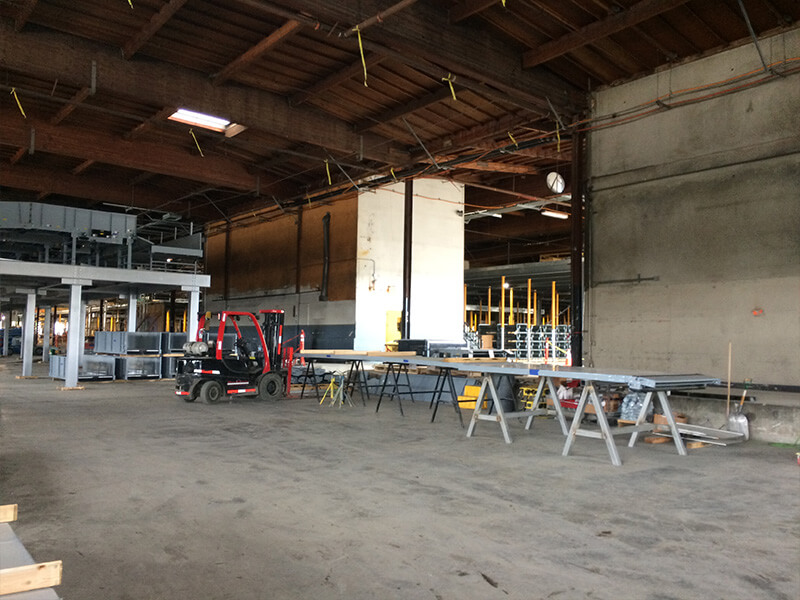
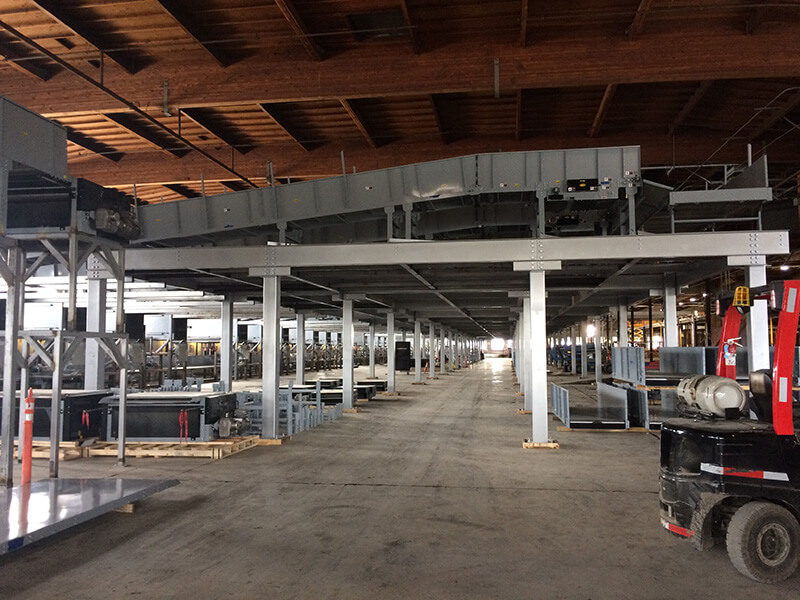
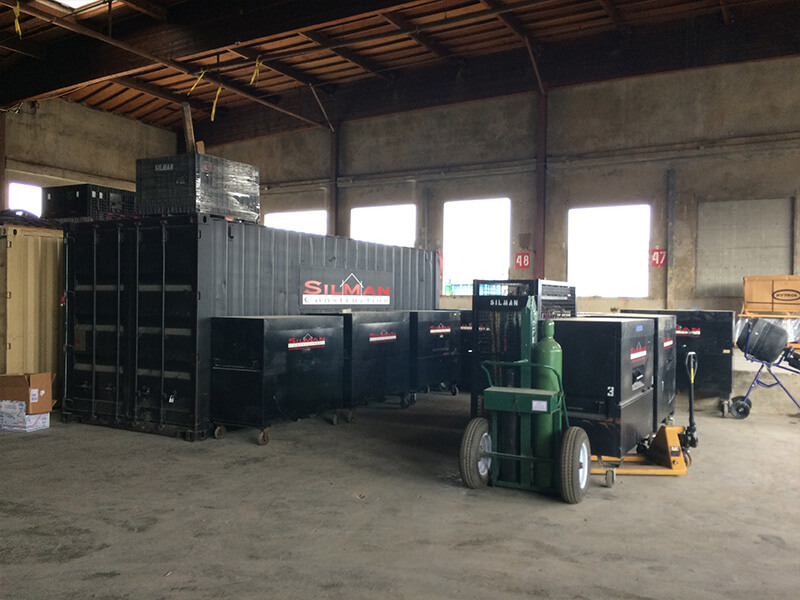
These photos were taken by Scott Harding during a surprise site-visit at the end of a shift.
Productive Workplace
When time is money, we owe it to our clients and our own bottom line, to be extremely efficient. A clean, well-organized workspace is crucial to keeping teams focused on results.
Let’s admit it, we all spend too much time looking for stuff, as these things get easily misplaced or we get complacent and don’t think about where they should go, especially when we need to retrieve them quickly. We must methodically sort and organize our items for the best efficiency.
Construction and manufacturing are intensely schedule-driven. A crew that spends any amount of time searching for tools, materials, supplies, or worse, suffering the loss of productivity due to an injury, is certainly not delivering value to the company or our clients.
Housekeeping is not about just being “clean,” it’s about being Profitable.
Health and Wellness
The statistical data of financial loss involving trip-slip-and-fall incidents in the workplace is staggering! This is mainly due to all the additional hazards that are created and the types of injuries that occur in a complicated, messy, dangerous environment. Dust piles and oily surfaces create slip hazards. Loose materials and tools create unnecessary trip hazards. And consequently, a slip or trip more often involves a fall, which causes a significant back or head injury or worse, a fatality.
Again, Housekeeping is not about just being “clean”, it’s about being Safe.
Build the Team
Our financial success is directly connected to the engagement and satisfaction of our team. They come to work to accomplish something and succeed. Frustration over meaningless time spent managing a messy workspace is a distraction that will end up being reflected in our ability to deliver great products and retain a great team.
This obstacle to success is completely avoidable and actually saves time.
On the positive side: when crew members see a consistently polished site, and they can rely on their teammates to care for shared tools and spaces, our teams become a source of pride for the individuals and the firm.
Housekeeping IS about being clean! Good housekeeping creates a satisfying workplace that builds trust and engagement with team members, and retains talent.
Industrial Housekeeping Checklist
Housekeeping is not an “extra” – it is an effective business strategy. It is also the basis for all other aspects of safety and productivity on a job site.
There is no need for us to compete in this area. Let’s all take a minute to ask ourselves if we are doing the best we can to protect our most valuable resource: our skilled, talented workforce.
As a reward for making it to the end of this article, we will offer a free copy of SilMan’s Daily Housekeeping Checklist. Want a copy? Contact me at (safety@silmanindustries.com). Just type “I read your Housekeeping article” in the subject line.
Reach out anytime if you want to have further questions. Click here to learn more about the SilMan Culture of Safety.
About SilMan
SilMan Industries (previously SilMan Construction) is based in San Leandro, California.
Founded in 2008, the firm operates nationwide in three divisions – Construction, Material Handling and Site Services – and partners with “best in class” companies in the Industrial, Manufacturing, Distribution, and Public Works sectors.
For more information, please visit www.silmanindustries.com/about.