Specialty Trade Services
Transportation Infrastructure
Revolutionizing Transportation Infrastructure with Advanced Automation Solutions
Efficient transportation systems are a critical component of modern-day industrial infrastructure. From public transit to supply chain logistics, optimized transportation enables the movement of people and goods and is essential for economic prosperity. As urban areas become more densely populated and international commerce continues to grow, finding ways to maximize throughput and capacity of transportation infrastructure is crucial.
SilMan Industries specializes in implementing advanced automation solutions to enhance all transportation infrastructure systems. With in-house expertise in engineering, system integration, and project execution, SilMan provides turnkey systems that improve safety, efficiency, and reliability. Our transportation projects range from automated parking installations that reduce a building’s parking footprint to automated baggage handling systems that increase the sorting capacity of airport terminals.
By leveraging the latest technologies in mechanical automation, sensor integration, and software control, SilMan optimizes transportation infrastructure to meet the needs of the modern world. Our solutions enable faster delivery, shorter travel times, lower operating costs, and reduced environmental impact across transportation networks. As infrastructure demands continue to rise, SilMan’s project management and skilled trade teams stand ready to provide innovative transportation systems that drive progress.
Exploring Transportation in the Industrial Landscape
Transportation infrastructure forms the backbone of operations in industrial and commercial settings. The movement of raw materials, parts, products, and people relies on well-designed transportation systems tailored to each facility. As the speed of business accelerates, the efficient transport of items from point A to point B has become a key to achieving competitive advantage.
There are a variety of transportation solutions deployed in the industrial context, including:
- Air Cargo Handling: Conveyors, lifts, and control systems that enable efficient cargo transfer between land and air transport for global parcel companies.
- Baggage Handling: Automated tracking, sorting, and claim delivery systems for airport terminals that improve capacity and service.
- EGSE (Electrical Ground Support Equipment): Motorized carts and recharging systems that service aircraft between flights on the tarmac.
- Subway Access Systems: Infrastructure like covered escalators and underground tunnels to facilitate public transportation.
- Mechanical Parking Systems: Automated, high-density parking structures that reduce footprint to maximize space for other revenue-generating operations.
As facilities seek to become faster and more efficient in the modern era, these once disparate systems are becoming increasingly integrated. Control networks now tie components together, allowing central monitoring and directing operations. Industrial facilities can achieve unprecedented speed, accuracy, and flexibility by taking a holistic approach across previously siloed transportation elements.
SilMan provides expertise in understanding clients’ operations to design comprehensive, integrated transportation ecosystems tailored to their needs. This systems-level perspective ensures optimization across the board.
Material Handing Solutions and Technologies
Transportation solutions rely on the seamless integration of various mechanical, electrical, and control system components tailored for each application. Conveyors, motors, sensors, wiring, and programmable logic form the underlying infrastructure to automate and optimize movement.
Conveyor Systems
Modern material handling solutions are critical to effectively processing and transporting items and materials between locations. Major types include:
Belt Conveyors use rubberized belts running over pulleys to carry objects of varying sizes and weights.
Roller Conveyors rely on gravity and motors within rollers to move packaged goods.
Chain Conveyors utilize powered drive chains with attachments to grip and relocate parts or pallets.
Mechanical Systems
Mechanical Systems provide the physical machinery to lift, stack, transport, and manipulate vehicles and goods. Scissor lifts, automated guided vehicles, and dynamic storage cranes are common aspects of material handling environments.
Electrical Systems
These systems power the controls, motors, sensors, and actuators, bringing automation solutions to life. Running cableways and junction boxes to integrate machinery with the latest “smart” controls allows precise electric signals to guide machine movements.
Control Systems
Sophisticated control software and hardware coordinate transportation operations, connecting Warehouse Control Systems, Warehouse Management Systems, Shipping and Logistics, and Enterprise Resource Planning platforms. Programmable Logic Controllers (PLCs) act as the brains behind systems, executing pre-programmed action sequences. Supervisory Control and Data Acquisition (SCADA) software enables remote monitoring and control. Controls grant transportation solutions flexibility to handle varying loads and detect anomalies.
EGSE (Electrical Ground Support Equipment)
EGSE encompasses mobile equipment for servicing aircraft between flights. Ground power units, pre-conditioned air carts, lavatory service trucks, and potable water vehicles are electric carts that interface with aircraft. Quick-charging solutions re-power EGSE for the next plane. By transitioning aviation ground operations to electric, EGSE improves sustainability.
Baggage Handling Systems
Baggage handling and inspection systems automate the transportation of checked luggage through airport terminals. Check-in conveyors scan and tag bags before dynamic storage solutions sort items by flight destination. Inventory management software tracks baggage location in real-time and routes items to the correct aircraft. Further automation speeds delivery to carousels upon landing.
Mechanical Parking Systems
Mechanical parking systems use lifts and electric motors to store and retrieve vehicles in a compact vertical footprint. Eliminating ramps and drive aisles through automation allows higher capacity relative to conventional garages. By minimizing land needed for parking, mechanical systems enable dense urban development.
Space savings unlock new revenue opportunities, like additional housing units in mixed-use buildings. Mechanical parking also enhances safety and prevents vehicle damage. Customized Puzzle or Automated System designs maximize capacity. Moreover, reduced space allocated to vehicle storage is a key element to expanding mobility innovation in dense urban environments.
Learn more about SilMan’s mechanical parking solution, SilMan Automated Parking Systems, also known as SAPS.
Air Cargo Handling Systems
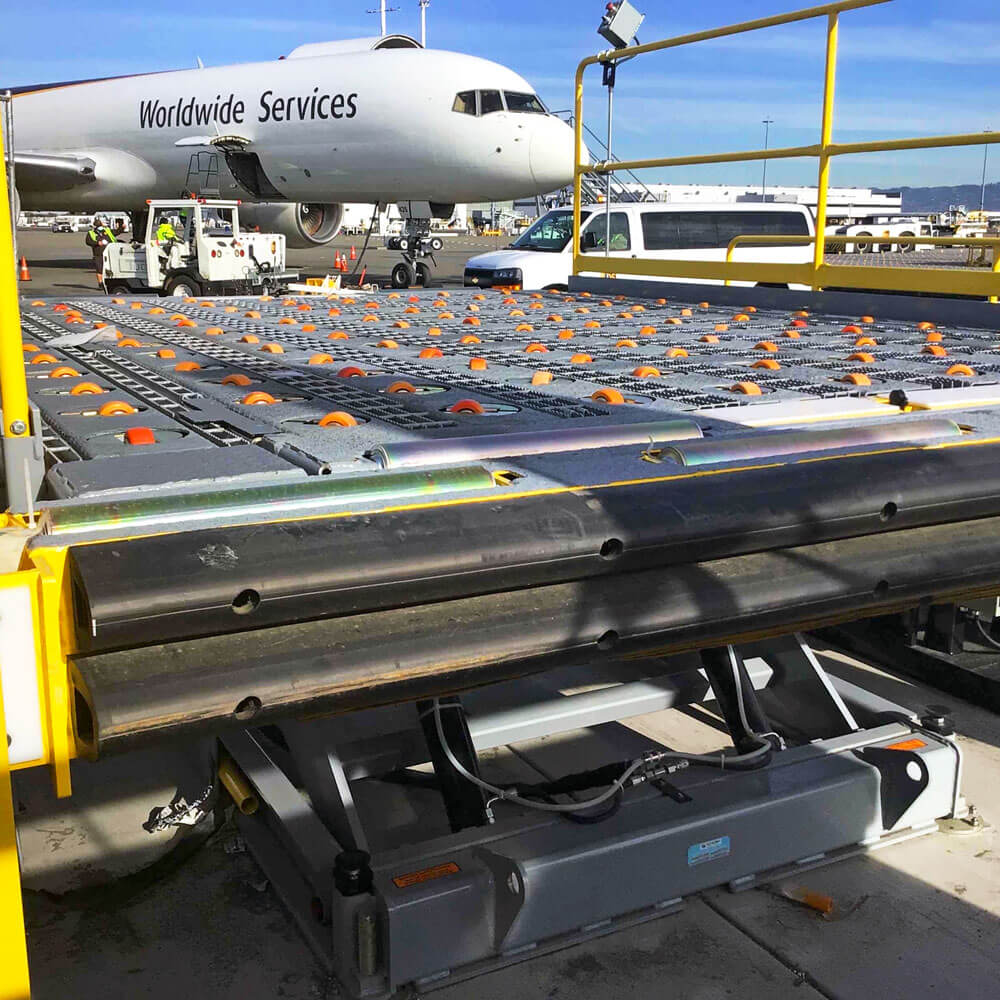
Efficient air cargo handling optimizes the transfer of freight and parcels between planes and ground transport. Conveyors, scissor lifts, and control logic coordinate sequencing and loading of standardized air containers and pallets (ULDs). By integrating tarmac operations with landside warehouses and distribution centers, air cargo systems speed global product movement.
Technologies include weight and dimension scanners, RFID labels, climate-controlled trailers, and automated document processing. Robust data links between air and ground sides facilitate information flows to direct physical flows.
Subway Access Systems
Weatherproof, hands-free entranceways into underground public transit improve passenger flow and accessibility. Subway access solutions feature covered escalator wells and passenger circulation components tailored to neighborhood contexts.
SilMan offers in-house structural, mechanical, and electrical expertise to enhance subway portals. We handle steel canopies, façade integration, security gate installation, and related infrastructure.
When San Francisco’s Bay Area Rapid Transit (BART) system considered a new design for their street-level subway access, SilMan Industries stepped up. Known as the “Canopy Project,” SilMan won the bid to create the BART pilot program, completing two stations.
Optimized transportation infrastructure relies on expertise integrating automation, tooling, and power solutions implemented by experienced specialized trade teams. This dynamic skill set provides a road map to a more cohesive, efficient urban transportation ecosystem. By providing diverse in-house capabilities, SilMan gives clients a turnkey systems integrator tailored for industrial contexts.
Suggestion: Importance of Automated Transportation
Automation applies technology to handle, move, and control tasks with minimal human intervention. By empowering machines to execute repeatable duties accurately 24/7, automation enables transportation breakthroughs that are not possible manually.
Key Benefits
Transportation automation delivers quantitative improvements across key performance metrics:
- Increased Efficiency: Optimized routing accelerates speed and maximizes throughput capacity. Automation processes 4X+ more baggage, cargo, or vehicles daily compared to manual operations.
- Enhanced Safety: Removing workers from hazardous environments and reducing handling minimizes injury risks. Automated guidance capabilities also decrease accidental damage.
- Reduced Operational Costs: Reliable automation cuts labor expenses while improving energy efficiency. Superior lifecycle cost savings offset initial capital outlays.
Enhancing Infrastructure
Automating transportation functions facilitates infrastructure expansions that otherwise have prohibitive manual labor requirements:
- Dense parking structures needing storage/retrieval of thousands of vehicles
- Large airport hubs sorting over 100,000 bags daily
- Global parcel hubs processing millions of packages overnight
By handling rising volumes with automation instead of additional workforce, new transportation infrastructure projects become viable.
Automation enables step-function advances in transportation system efficiency, safety, and capabilities. Automating the movement of people and goods unlocks substantial societal benefits through enhanced infrastructure. SilMan leverages the latest technologies to provide turnkey, automated transportation solutions scaling to clients’ most ambitious infrastructure visions.
Suggestion: Understanding the Functionality of Transportation Infrastructure
Behind the scenes, advanced transportation solutions rely on systematically integrating mechanical equipment, electrical components, and sensor-based control systems. When implemented correctly, these elements seamlessly interoperate to move people and goods efficiently.
Typical phases in an automated transportation project include:
- Design: Engineers blueprint system layouts and select machinery aligned to project requirements. Simulation validates designs pre-installation.
- Integration Planning: Expert installers develop equipment staging and implementation sequencing plans tailored for the site environment.
- Electrical: Power systems energize machinery. Networks connect controls to onsite devices.
- Equipment Configuration: Control points assemble, position, and interface with machinery like conveyors or lifts.
- Software Programming: Coding of sensor inputs and logic controllers orchestrate machinery.
- Testing & Refinement: Engineering teams calibrate and optimize performance.
- Ongoing Management: Behind-the-scenes monitoring and maintenance uphold reliability.
You may also enjoy this article.

SilMan’s Role
Our in-house teams of engineers, programmers, and project managers streamline preconstruction and collaborate directly with self-performed Millwright, electrical, and civil trade professionals to provide seamless service from concept to operation. Our centralized structure facilitates rapid iteration across groups to handle discoveries. By providing turnkey accountability, SilMan simplifies deploying complex, automated transportation solutions.
Proper implementation requires extensive coordination across mechanical, electrical, and software domains—a process SilMan’s integrated structure is uniquely suited to navigate. Our tailored automation solutions integration expertise delivers optimized transportation infrastructure that matches clients’ goals.
Advanced Transportation Infrastructure
SilMan Industries has a deep portfolio of successful turnkey automated solutions enhancing safety, efficiency, and reliability across critical transportation infrastructure. Our unique combination of engineering innovation and trade execution expertise drives value creation.
If you are exploring modernization initiatives targeting throughput, capacity, or responsiveness, SilMan has proven experience implementing integrated systems scaling to your ambitions. Contact our transportation specialists today to discuss customizing your precise infrastructure needs and goals. Our tailored approach delivers maximum positive impact on operations and return on investment.
Are we meeting for the first time?
About SilMan Industries
SilMan Industries (previously SilMan Construction) is based in San Leandro, Calif., with Engineering and Field Operations offices in Tupelo, Miss. The firm provides integrated turnkey solutions in the Industrial, Manufacturing, Distribution, and Public Works sectors.
Notably, in 2010 SilMan Industries was contracted to dismantle and remove the NUMMI assembly line in Fremont, Calif., transport the equipment, and reinstall the system in Blue Spring, Miss., establishing Toyota Motor Manufacturing Mississippi (TMMMS). This high-visibility project ignited the company’s meteoric growth, laying the foundation for SilMan’s national service area.
For more information, please visit www.silmanindustries.com/about.

Frequently Asked Questions for Transportation Infrastructure
How do Mechanical Parking Systems save space compared to conventional garages?
Mechanical parking systems maximize vehicle capacity in a significantly smaller physical footprint. This is accomplished by using lifts and electric motors to store vehicles vertically, eliminating the need for vehicle ramps and wide drive aisles required in traditional garages.
What is the main benefit of automating airport baggage and cargo handling?
The primary benefit of automating airport baggage and cargo handling is a massive increase in throughput and efficiency. Automation enables airports and cargo hubs to utilize dynamic sorting and real-time tracking to process tremendous volumes—often exceeding 100,000 bags or parcels daily—that would be impossible with manual operations.
What types of specialty trades are required for transportation automation projects?
Successfully implementing complex transportation automation requires integrated, highly specialized trade teams. This typically includes millwrights (industrial mechanics), industrial electricians, and system integrators who coordinate everything from power systems to software controls.
