
Specialty Trade Services
Industrial Facilities
Strategies for Efficient Industrial Facilities
Industrial facilities are the backbone of manufacturing, distribution, and production operations. Well-designed plants with robust structural integrity, reliable utilities, efficient layouts, and modern equipment enable companies to meet production targets while minimizing costs safely.
However, aging infrastructure, changing technologies, and growth demands make proactive industrial facility management imperative. Partnering with an expert service provider delivers tremendous value via turnkey upgrades, retrofits, maintenance, and repairs.
SilMan Industries offers comprehensive solutions for holistically enhancing industrial facilities. With extensive experience across facility construction, equipment installation, process improvements, and maintenance programs, SilMan’s system integration, project management, and skilled trade teams provide an integrated blueprint to address safety, sustainability, productivity, and budget realities.
Understanding Industrial Facilities
Industrial facilities have many complex mechanical, electrical, and structural systems that require effective management of industrial plants and warehouses. These are vital for manufacturing, distribution, and production companies to operate profitably and safely. Key aspects include:
Structural Integrity
Inspect load-bearing building components regularly to prevent failures. Reinforcing compromised structures ensures personnel safety.
Utility Systems
Power, lighting, HVAC, compressed air, and specialty gases must be reliably supplied at optimal capacities to avoid disruptions.
Equipment Layout
Production equipment, conveyors, controls, and workstations must be ergonomically organized to minimize material travel, congestion, and safety risks.
Optimization
As needs change, operators must reconfigure facilities through expansions, retrofits, or reclaiming space from low-value activities.
Industrial facility design directly impacts productivity, product quality, safety, and operating expenses. Well-planned plants align infrastructure, machinery, and workflows to safely and profitably protect workers. Regular upgrades and maintenance are essential to maintain operations.
New Construction and Facility Improvements
Constructing new industrial facilities or expanding existing ones requires aligning infrastructure to current and future operational needs while meeting budget constraints. Key aspects of planning include:
- Analyzing material flows, production processes, and headcount growth projections to correctly size structures, material handling systems, and utilities.
- Optimizing equipment layouts, intra-logistics, and workflows to minimize congestion and non-value activities.
- Designing flexibility for easy expansion or change in the future via knock-out walls, mezzanines, modular layouts, and more.
- Incorporating sustainability best practices regarding lighting, HVAC, water usage, and waste handling.
- Utilizing computer-aided design and simulation tools to optimize layouts in a virtual space before construction begins.
- Sequencing work phases to enable uninterrupted production in existing facilities during expansions
Designing industrial facilities focused on safety, quality, efficiency, and flexibility establishes a foundation to achieve production targets cost-effectively as operational needs evolve.
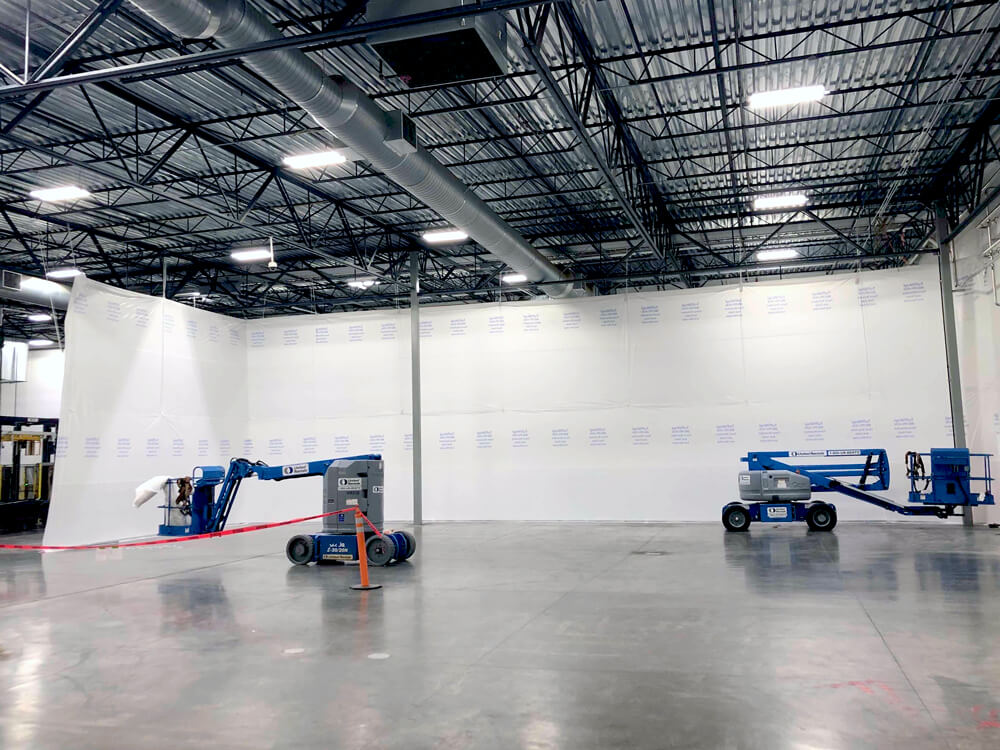
Structural and Civil Services
Maintaining sound structural integrity and civil engineering are imperative for industrial facility safety and lifespan. Key services include:
Structural Improvements
Install additional supports, bracings, or structural steel to reinforce compromised building frames that are overloaded or deteriorating.
Structural Repairs
Diagnosing and fixing cracks, damage, leaks, and faults in foundations, floors, walls, roofs, and more to restore load-bearing capacity.
Site Preparation
Scope of work includes grading terrain, soil testing and remediation, trenching, installing drainage systems, and constructing specialized foundations.
Compliance
Ensuring designs, methods, and materials meet local building codes and environmental regulations throughout projects.
Specialized engineering expertise in structural reinforcements, repairs, and civil aspects ensures that facilities remain viable for decades of wear and tear, maintaining employee safety while avoiding costly downtimes.
Primary Power, Panels, and Utilities
Well-designed power systems and optimized utility infrastructures minimize disruptions while reducing energy costs in industrial facilities. Key solutions include:
Primary Power
Ensuring robust main power lines, transformers, switchgear, backup generators, and connections to feeder panels across the plant.
Distribution
Installing properly rated panels, circuit breakers, and electrical rooms to supply power to all equipment.
Renewables
Integrating solar, wind, or geothermal sources to reduce grid dependence. Smart meters and software help track savings.
Efficiency
Upgrading to energy-efficient lighting, motors, HVAC, and compressed air systems lowers consumption while maintaining output levels.
Reliable, efficiently designed utility infrastructure and distribution capacity planning support uninterrupted production schedules while lowering expenses over decades of future use.
You may also enjoy this article.
Maintenance and Repair Services
Preventive maintenance and prompt repairs are vital for industrial facility integrity, safety, and lifespans. Essential services include:
Industrial Maintenance
Scheduled inspections, lubrication, component replacements, and minor upgrades that prevent significant failures and keep equipment operating at peak efficiency.
Industrial Repairs
Quick diagnosis and emergency fixes of broken equipment, damaged infrastructure, power failures, and other faults restore facilities to working order with industrial repair services.
Structural Repairs
Identifying and reinforcing cracks, leaks, sagging floors/roofs, rust accumulation, and other structural defects prevents deterioration.
Comprehensive maintenance keeps industrial plants running reliably long-term, while quick repairs minimize cost and revenue losses from unplanned downtime events.
Facility Updates, Remodel, Retrofit, and Investment Calculus
Upgrading decades-old industrial plants prevents obsolescence while improving safety, sustainability, and productivity. Key initiatives include:
Retrofits
Incorporating new technologies like IoT sensors, industrial ethernet, or robotics into existing infrastructure without needing new construction.
Remodels
Reconfiguring layouts, work cells, material flows, lighting, or interiors to ease congestion, minimize material travel distance, and better integrate upgraded equipment or additional capacity.
ROI Calculations
Quantifying potential downtime avoidance, increased output, lower regulatory risks, reduced waste disposal fees, energy savings, and other benefits against required upgrade investments.
Optimization
Leveraging computer simulation tools to test different layouts and process flows digitally identifies the best alternatives before disruption.
Proactive modernization initiatives keep facilities viable despite changing needs and technologies while providing positive returns on investment in the long term.
Working with Industrial Maintenance Partners
Partnering with specialized industrial maintenance companies simplifies facilities management while optimizing long-term plant health. Best practices include:
Evaluating Partners
Ensure sufficient breadth/depth of skilled trades teams, quality certifications, safety ratings, project management expertise, and regional presence.
Selection Criteria
Identify the attributes needed for a successful long-term collaboration: Continuous operations experience, technical competence, emergency response capacity, customer references, and solid cultural fit.
Performance Tracking
Monitoring equipment KPIs like energy use, output, failure rates, and maintenance expenses identifies upgrade needs.
Standardizing maintenance via expert partners enhances facility resilience over decades while freeing internal resources to focus on core operations.
SilMan provides integrated blueprints to transform outdated plants into world-class facilities aligned with changing business needs. Our methodical planning, flawless execution, and long-term partnership approach deliver lasting impact on efficiency, sustainability, and profitability.
To explore a tailored industrial facility assessment and improvement roadmap for your company, contact SilMan Industries today.
Are we meeting for the first time?
About SilMan Industries
SilMan Industries (previously SilMan Construction) is based in San Leandro, Calif., with Engineering and Field Operations offices in Tupelo, Miss. The firm provides integrated turnkey solutions in the Industrial, Manufacturing, Distribution, and Public Works sectors.
Notably, in 2010 SilMan Industries was contracted to dismantle and remove the NUMMI assembly line in Fremont, Calif., transport the equipment, and reinstall the system in Blue Spring, Miss., establishing Toyota Motor Manufacturing Mississippi (TMMMS). This high-visibility project ignited the company’s meteoric growth, laying the foundation for SilMan’s national service area.
For more information, please visit www.silmanindustries.com/about.

Frequently Asked Questions for Industrial Facilities
What is the difference between a general contractor and a specialty trade contractor for industrial facilities?
A general contractor typically manages the entire project, while a specialty trade contractor focuses on a specific, skilled job like electrical, mechanical, or civil work. The advantage of a unified approach like SilMan's is that it provides a range of specialty trade services with in-house teams, acting as a single, integrated partner for all project needs.
Why is regular maintenance important for industrial facilities?
Regular maintenance prevents costly breakdowns, extends the lifespan of equipment, and ensures facility safety. It helps identify potential issues before they become major problems, minimizing unscheduled downtime and improving overall operational efficiency.
How does a "one-team" approach benefit an industrial construction project?
A "one-team" approach ensures a single point of contact and seamless coordination between various trades, including electrical, mechanical, and civil. This integration streamlines project delivery, improves communication, and reduces the risks associated with managing multiple subcontractors.
