
Airport Infrastructure Modernization
Fuel Vault Modifications at Oakland International

CLIENT
Oakland International
Argus Fuel Forward
INDUSTRY
Airport Operations
Fuel Vault Updates
PROJECT SCOPE
Civil Construction, Millwright/Mechanical & Electrical (Primary Power, Panels, Controls), Project Management
The Challenge: Modernizing Mission-Critical Fuel Infrastructure
When fuel delivery systems at one of California’s busiest international airports began showing signs of age, the stakes couldn’t have been higher. Oakland International Airport’s fuel vault at Terminal 2—a critical underground infrastructure supporting jet aircraft fueling operations—required comprehensive modifications while maintaining operational continuity. The aging actuator systems were underperforming, creating cascading effects on airport operations and threatening the reliability of fuel delivery to aircraft at the terminal.
The project’s complexity extended beyond simple equipment replacement. The fuel vault encompasses below-ground passageways, mechanical actuators, valve controls, control panels, power systems, access ladders, and multiple access hatches—all of which require precise coordination and specialized expertise. Working within an active airport environment presented additional logistical challenges, including stringent security protocols and the absolute necessity of maintaining fuel service continuity during construction.
Argus Fuel Forward, recognizing the need for a partner capable of delivering more than just skilled labor, selected SilMan Industries for its proven ability to execute complex, multidisciplinary projects within sensitive operational environments. The scope demanded not just technical expertise, but a sophisticated understanding of how to navigate the unique challenges of working within one of the nation’s most regulated and security-conscious environments.
The Solution: Integrated Multi-Trade Execution for Airport Infrastructure
SilMan Industries approached the project with their signature “One Team” philosophy, deploying multiple specialized divisions to work in concert. Rather than managing multiple subcontractors, Argus Fuel Forward gained a single accountable partner capable of self-performing all critical work elements.
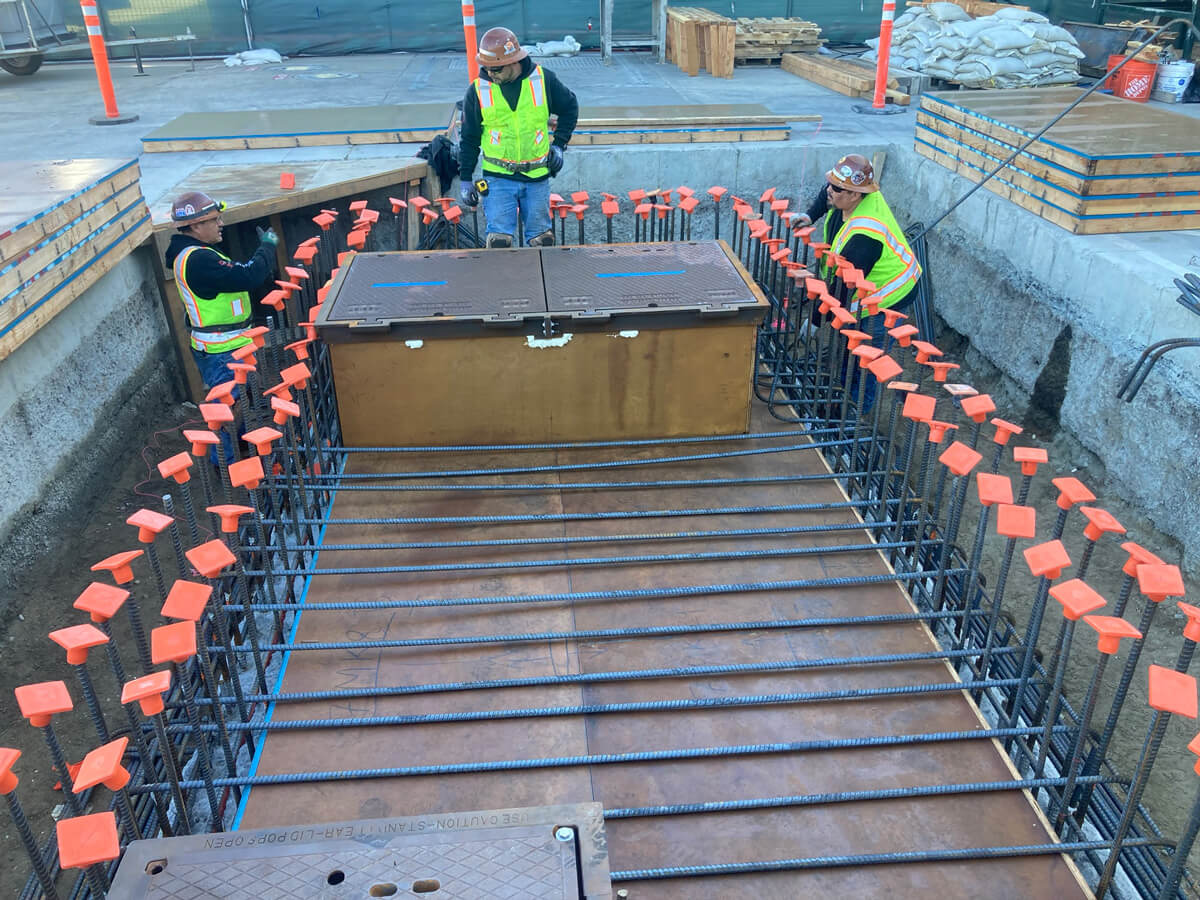
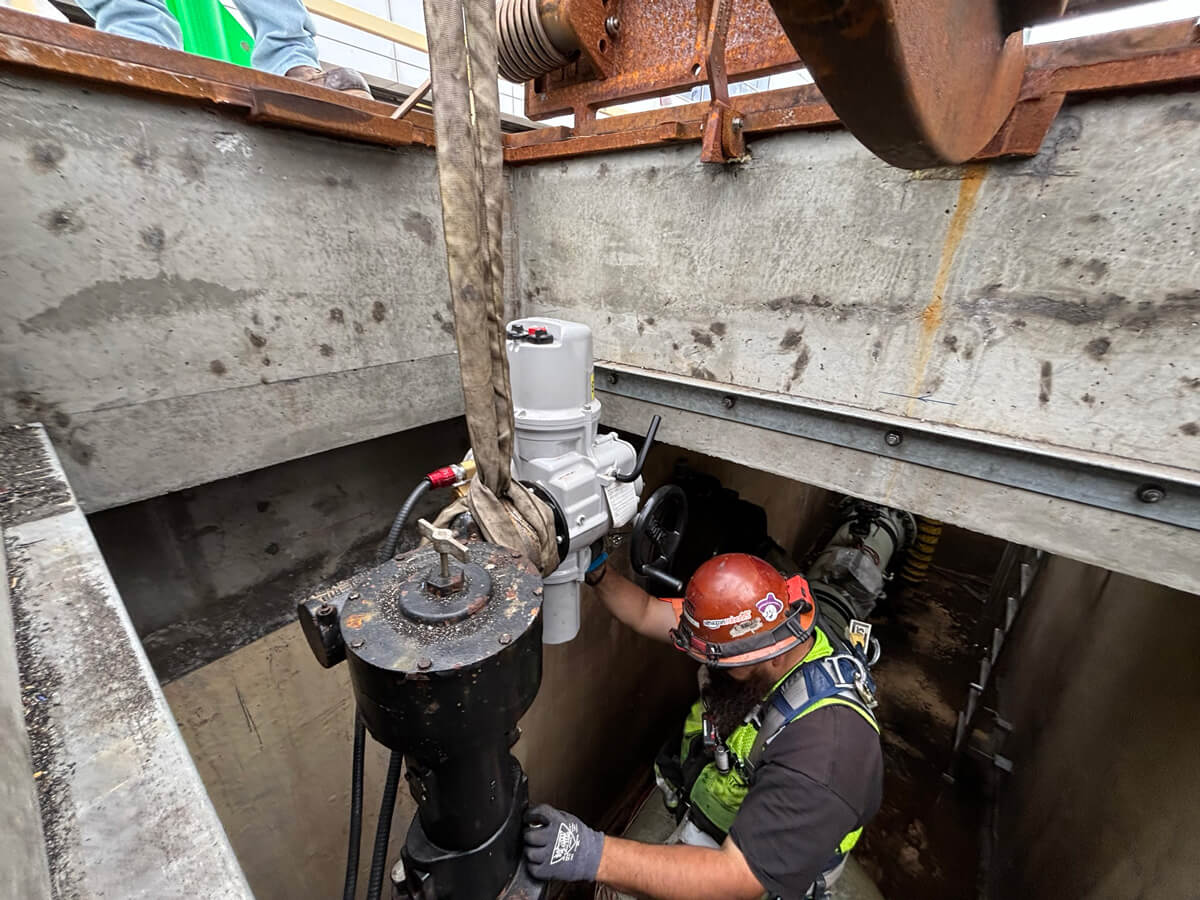
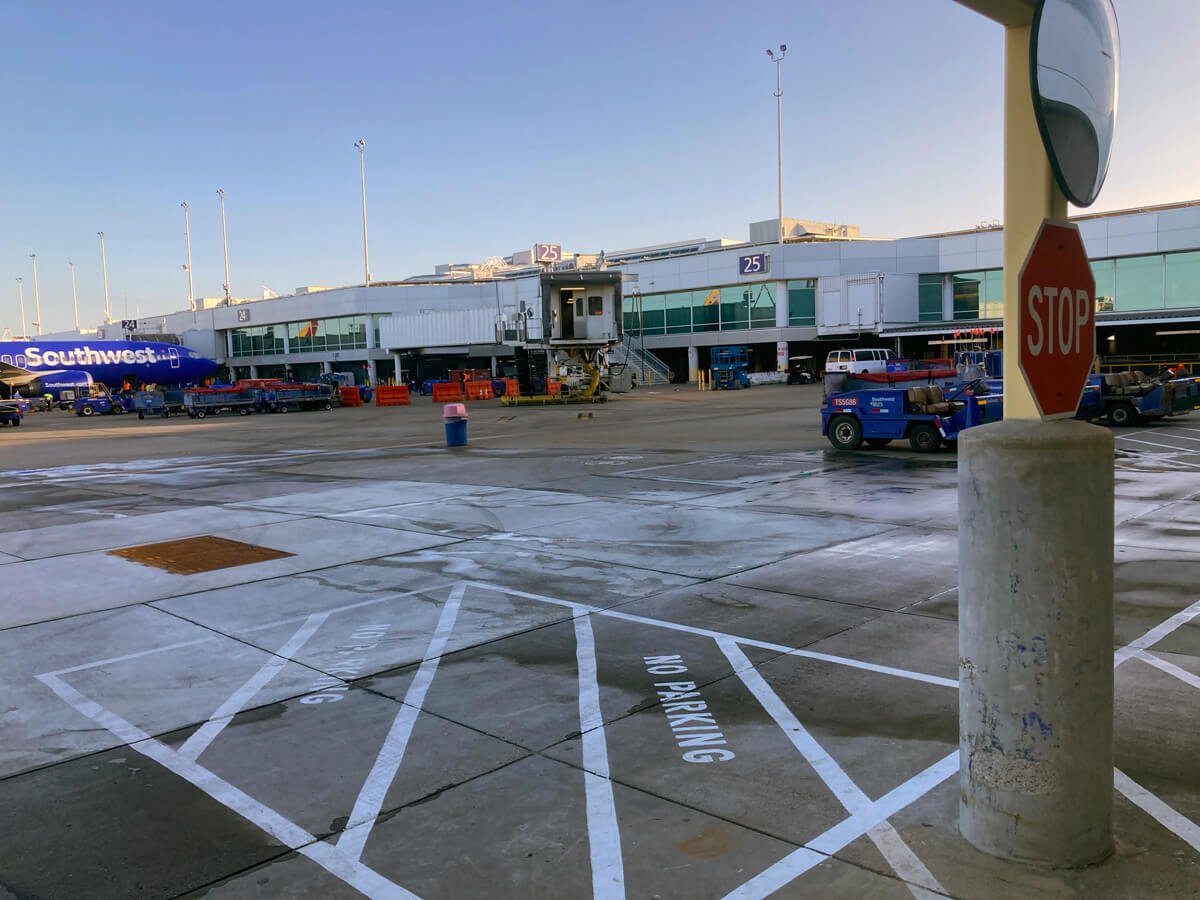
The comprehensive scope included replacing three access hatches, installing new stem extensions for 14″ and 20″ pipes, upgrading actuators and their control systems, and completing all associated earthwork, concrete work, and pavement striping. The project demanded seamless coordination between civil, mechanical, and electrical trades—exactly the type of integrated approach that has become SilMan’s hallmark.
The meticulously planned seven-month timeline reflected both the project’s complexity and SilMan’s commitment to systematic execution.
Speak to a key team member on this project

Meet Jeff Piazza.
For more information about this project or related topics, contact Jeff by email or call directly at 925.984.0062.
You may also enjoy this article
Phase 1: Submittals for Airport Infrastructure
The extensive submittal phase ensured all documentation met the rigorous standards required for airport infrastructure work. This included detailed engineering drawings, equipment specifications, and comprehensive safety protocols specific to working in an active fuel environment.
Gallery: Site Preparation and Demolition. Click images for full-screen view.
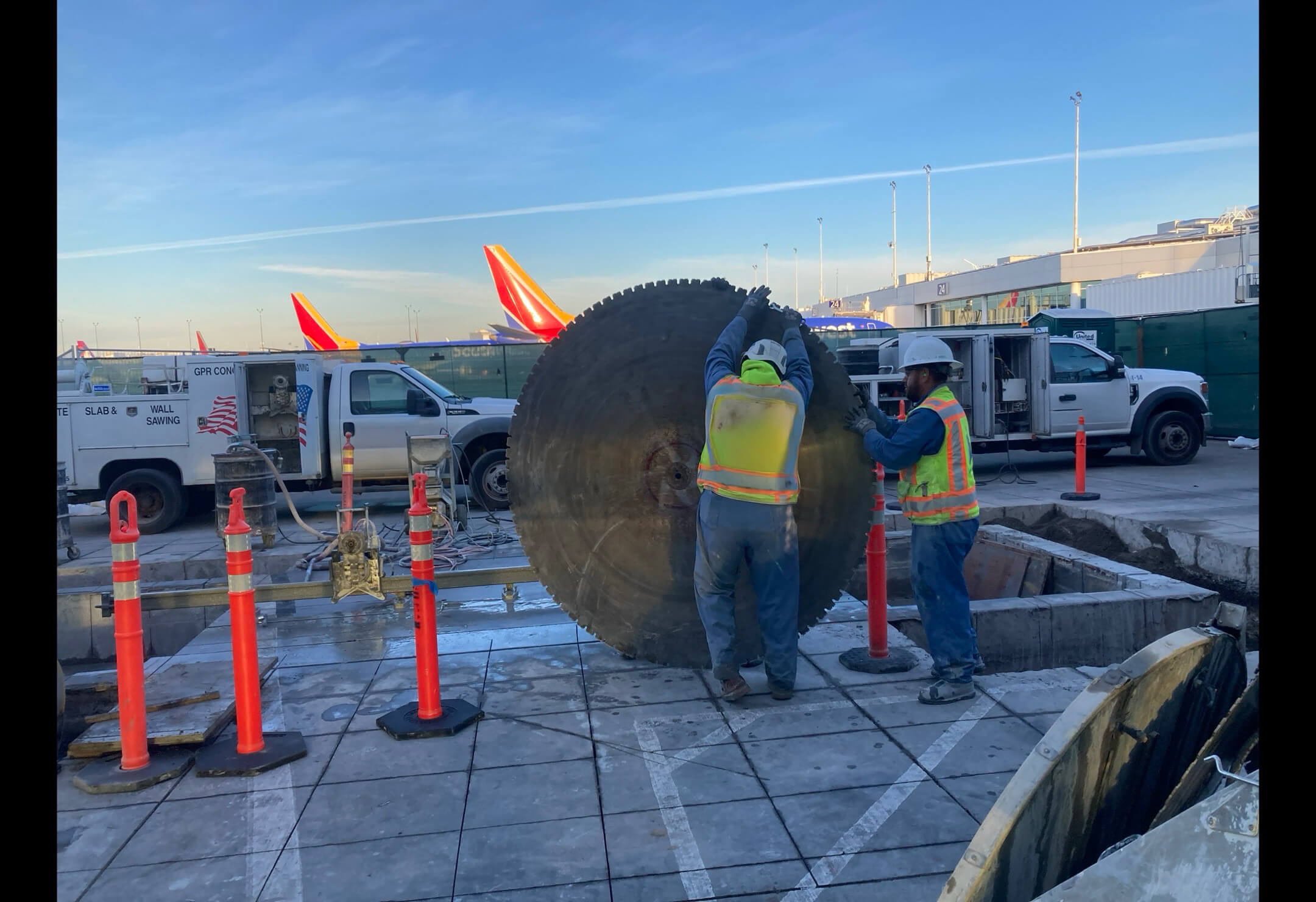
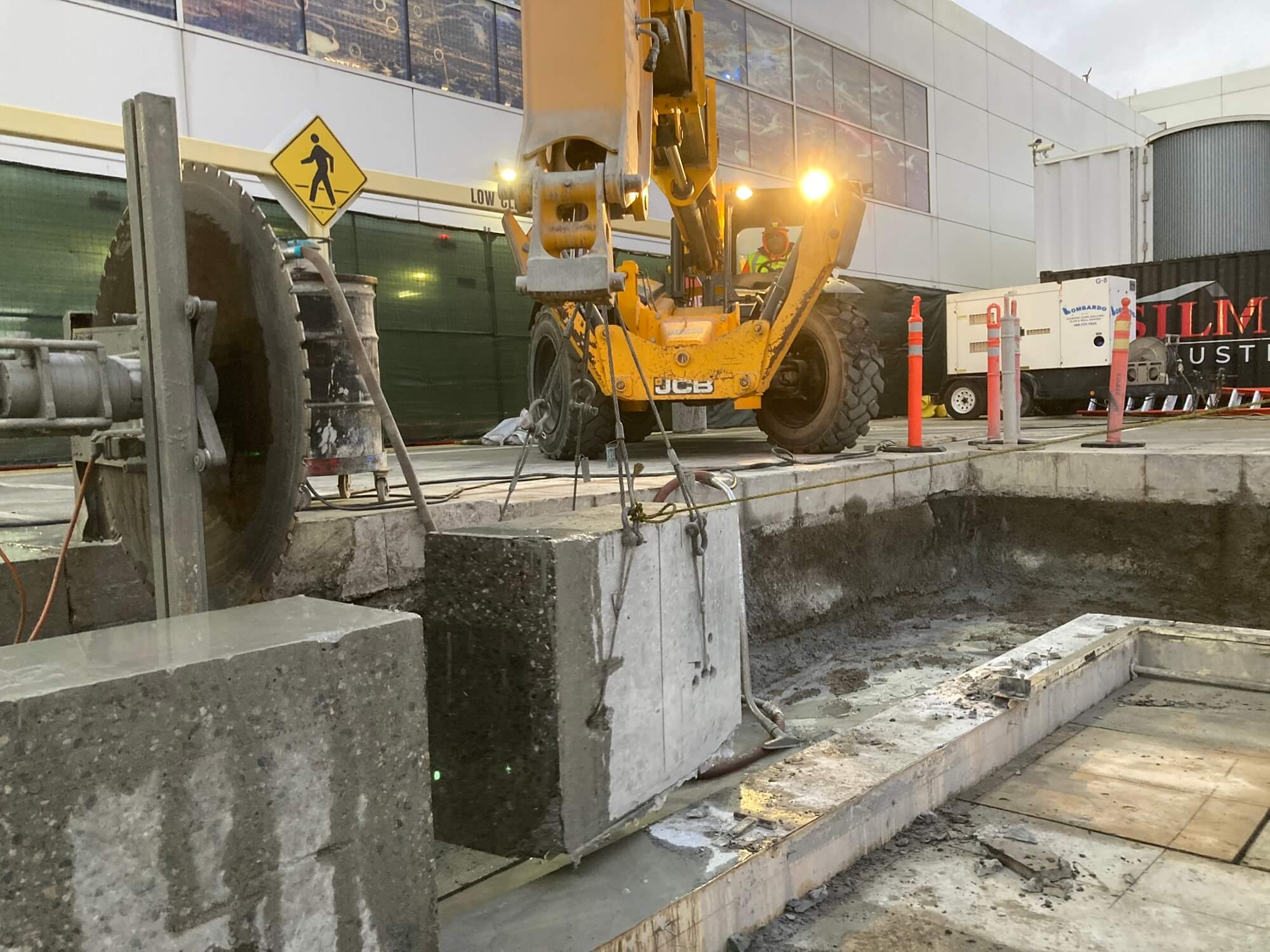
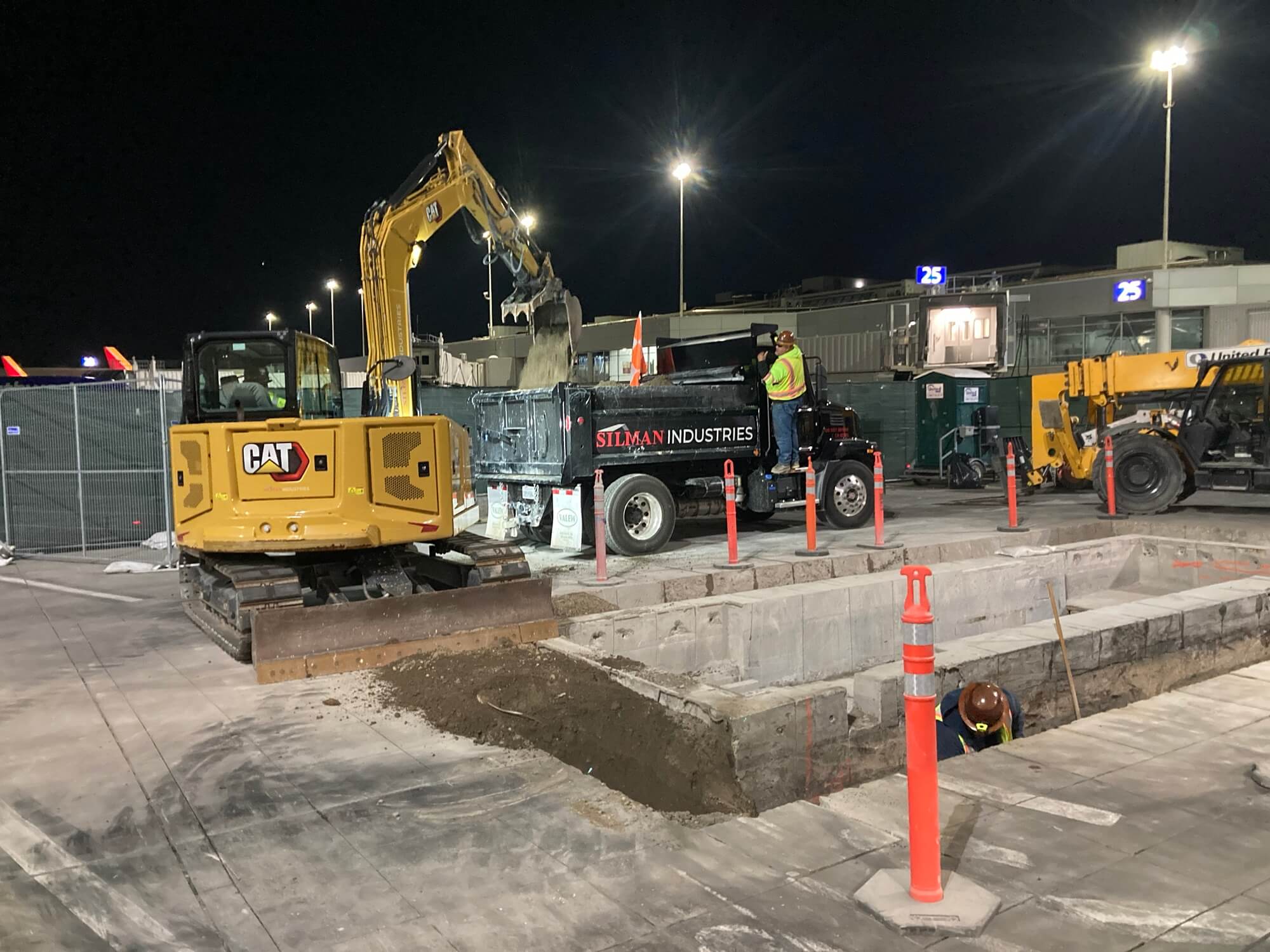
Phase 2: Mobilization and Demolition of Airport Infrastructure
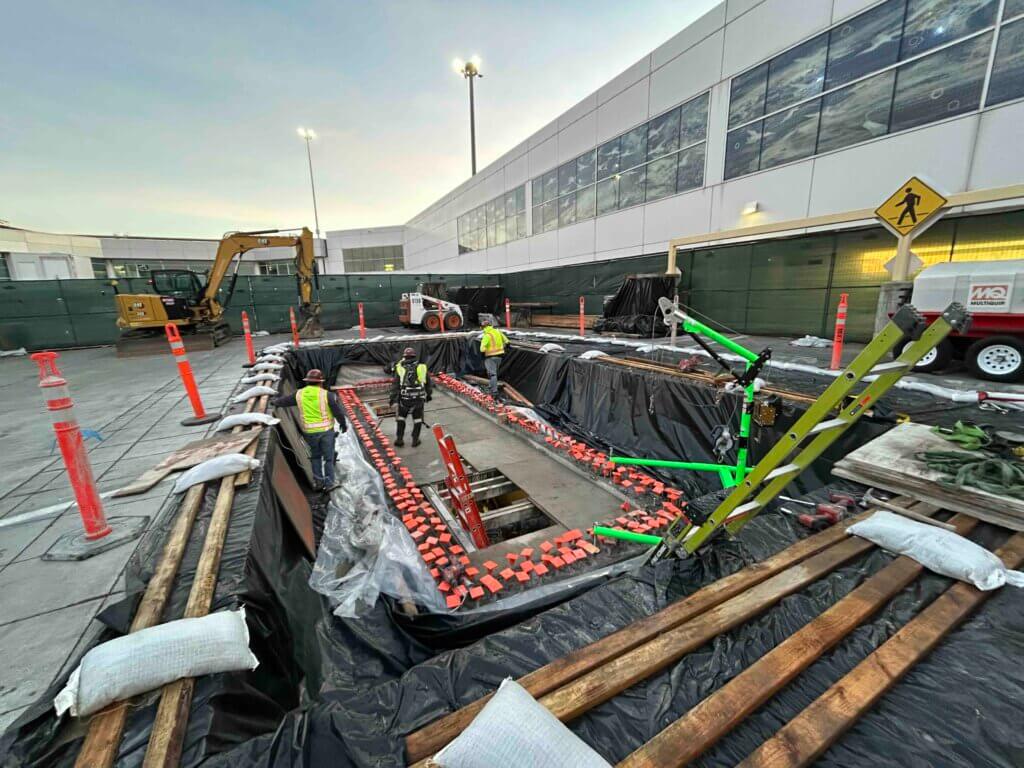
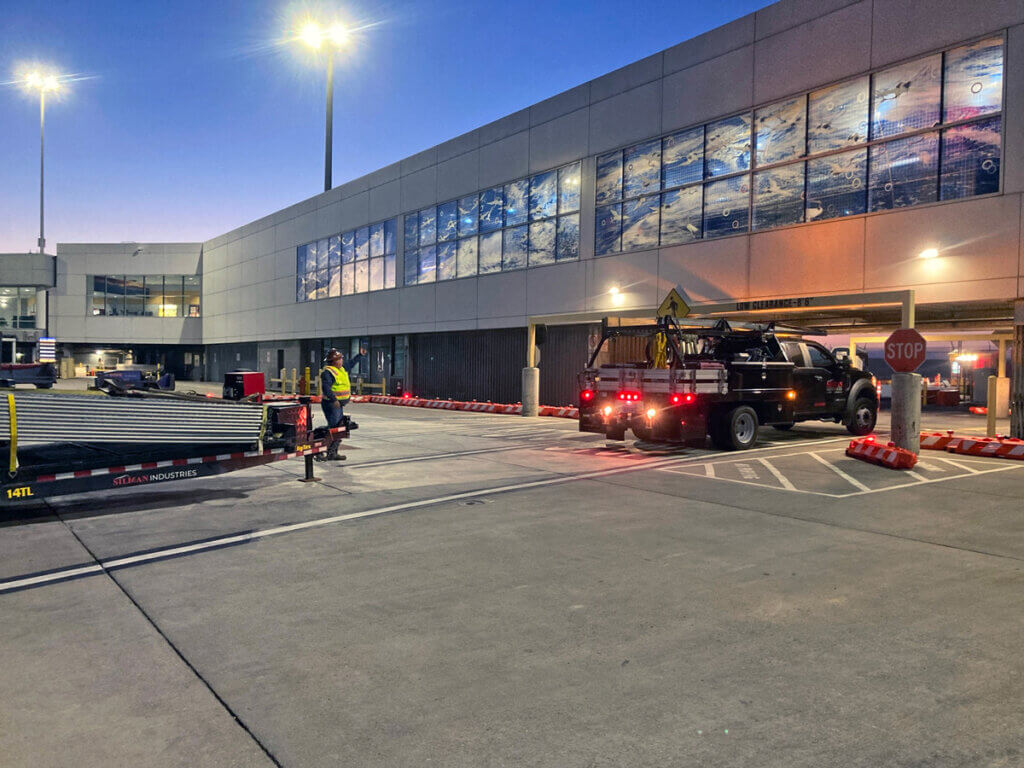
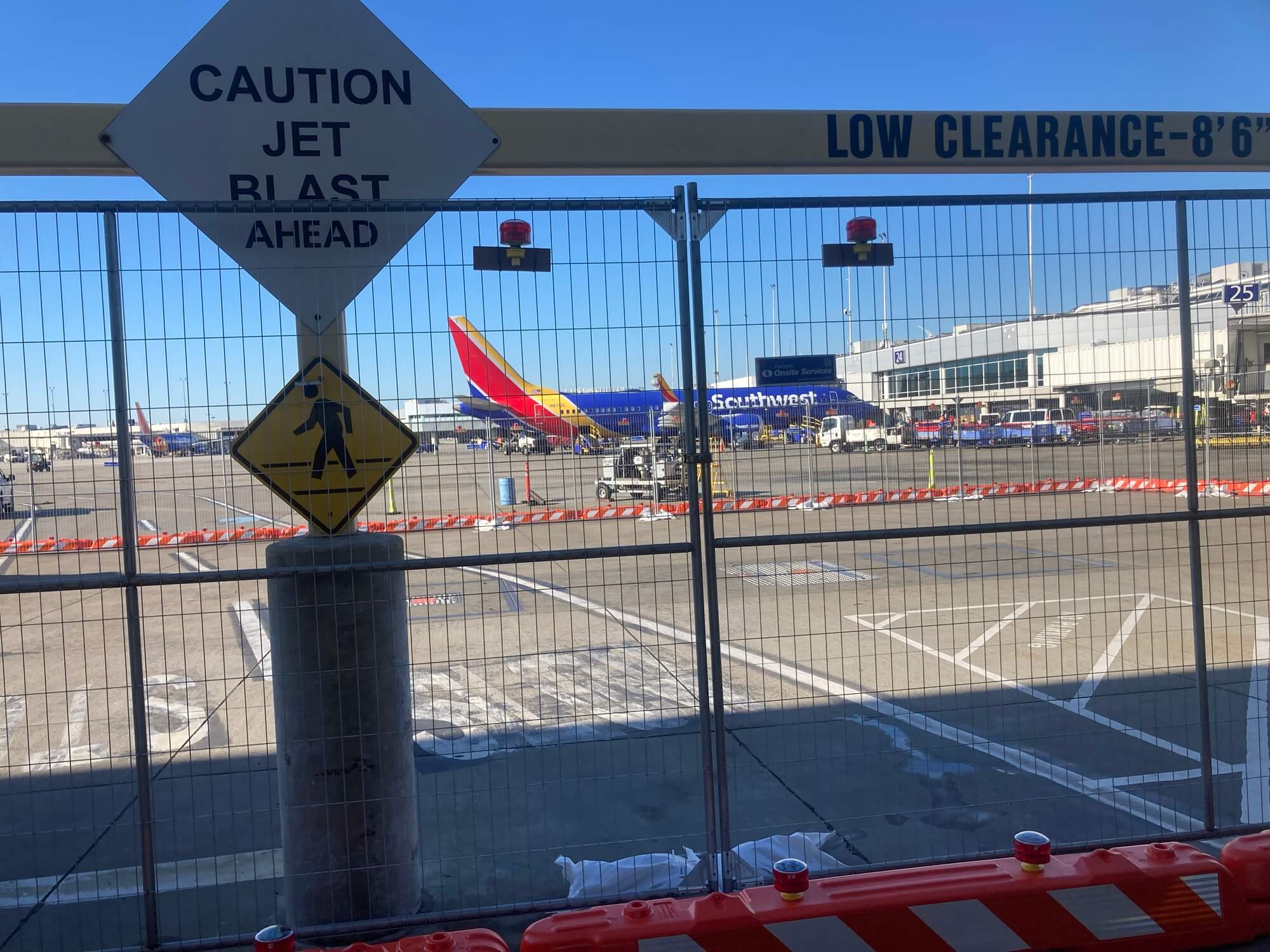
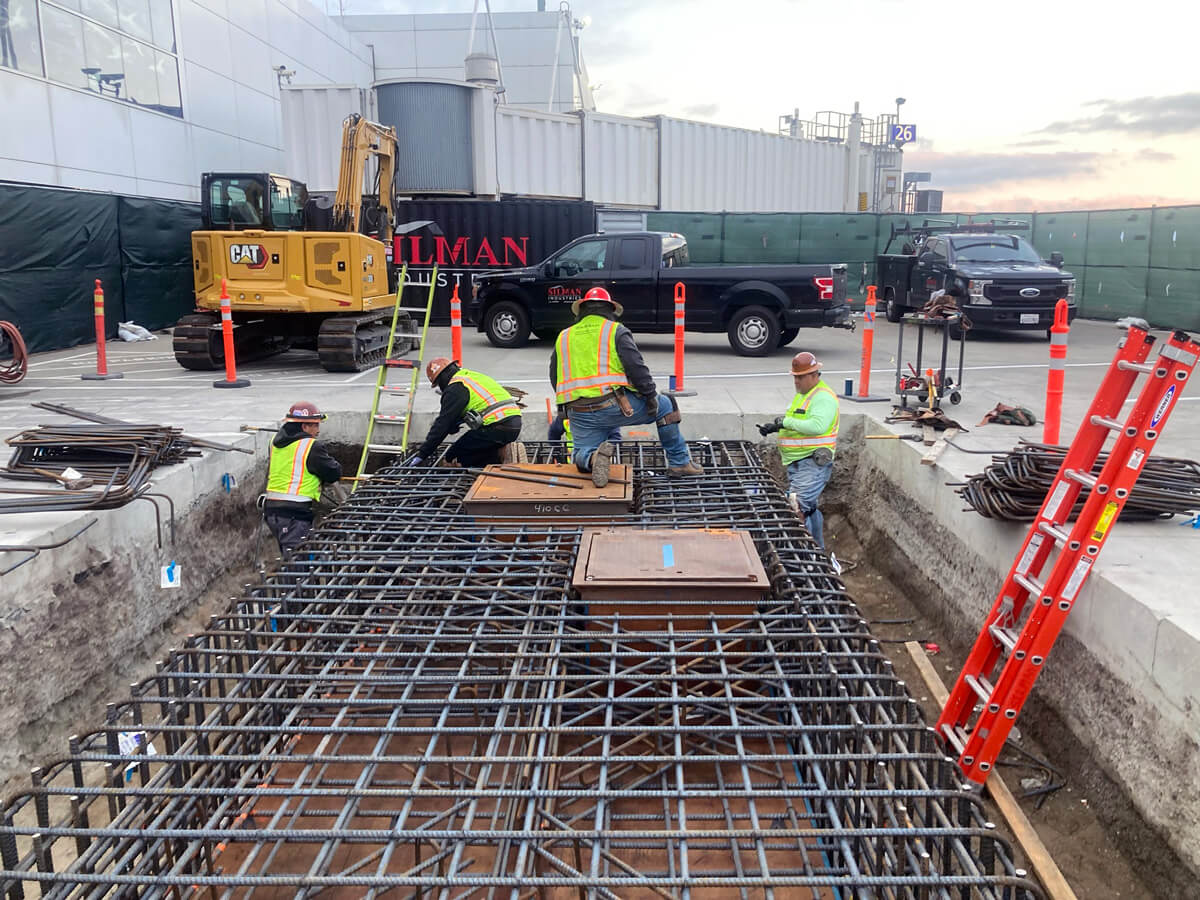
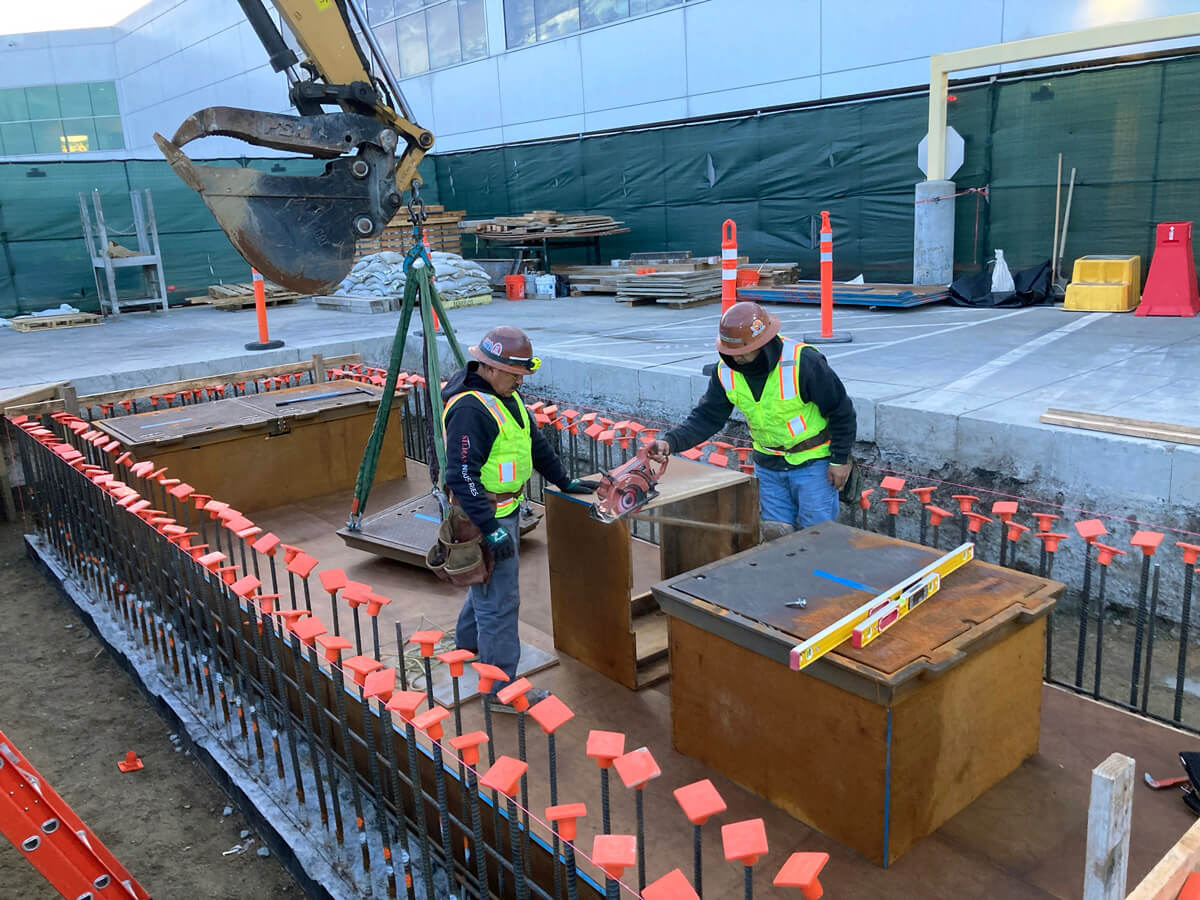
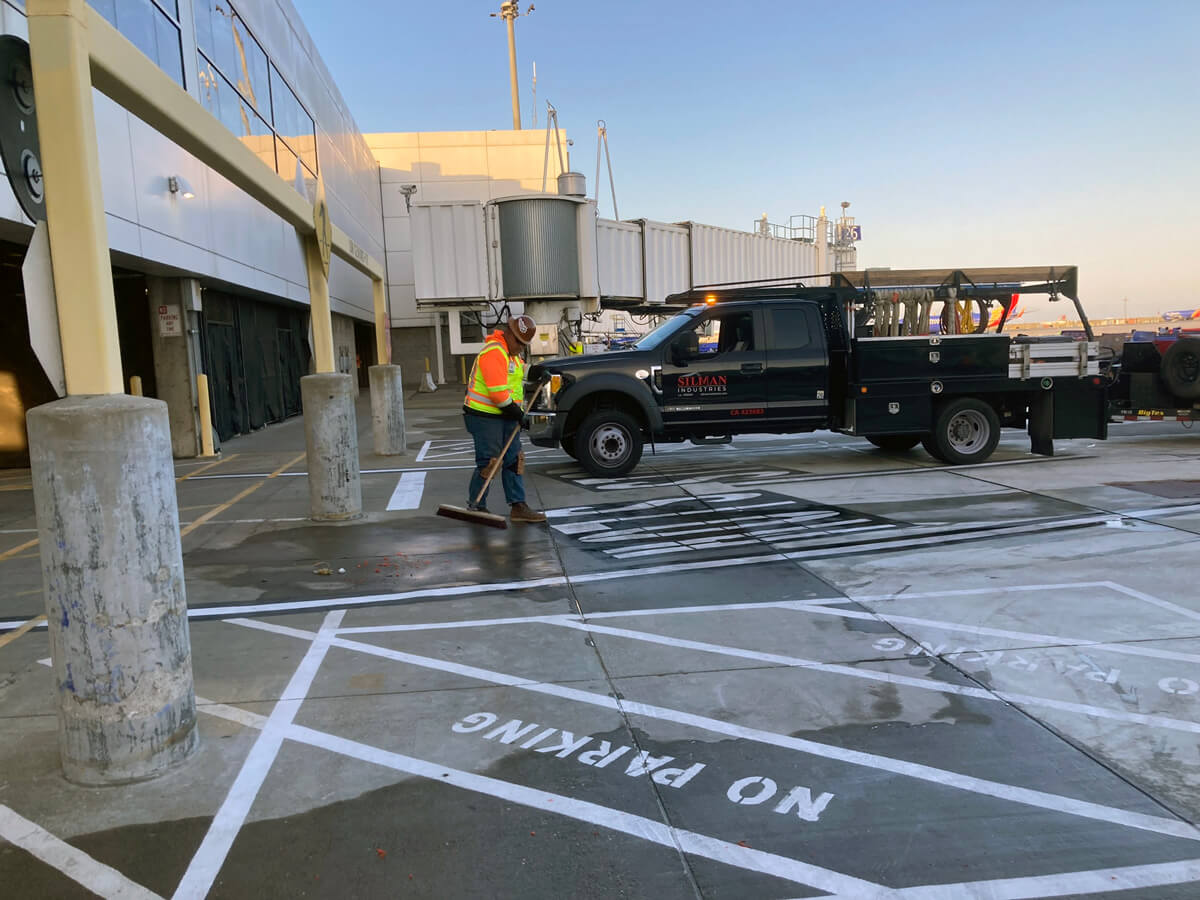
Site preparation required careful coordination with airport operations to establish secure work zones without disrupting fuel service. The team executed selective demolition with particular attention to the safe excavation and handling of potentially contaminated materials—a critical consideration given the site’s history of fuel service.
The Civil Team was occupied with site preparation activities for four weeks.
Gallery: Concrete Construction. Click images for full-screen view.
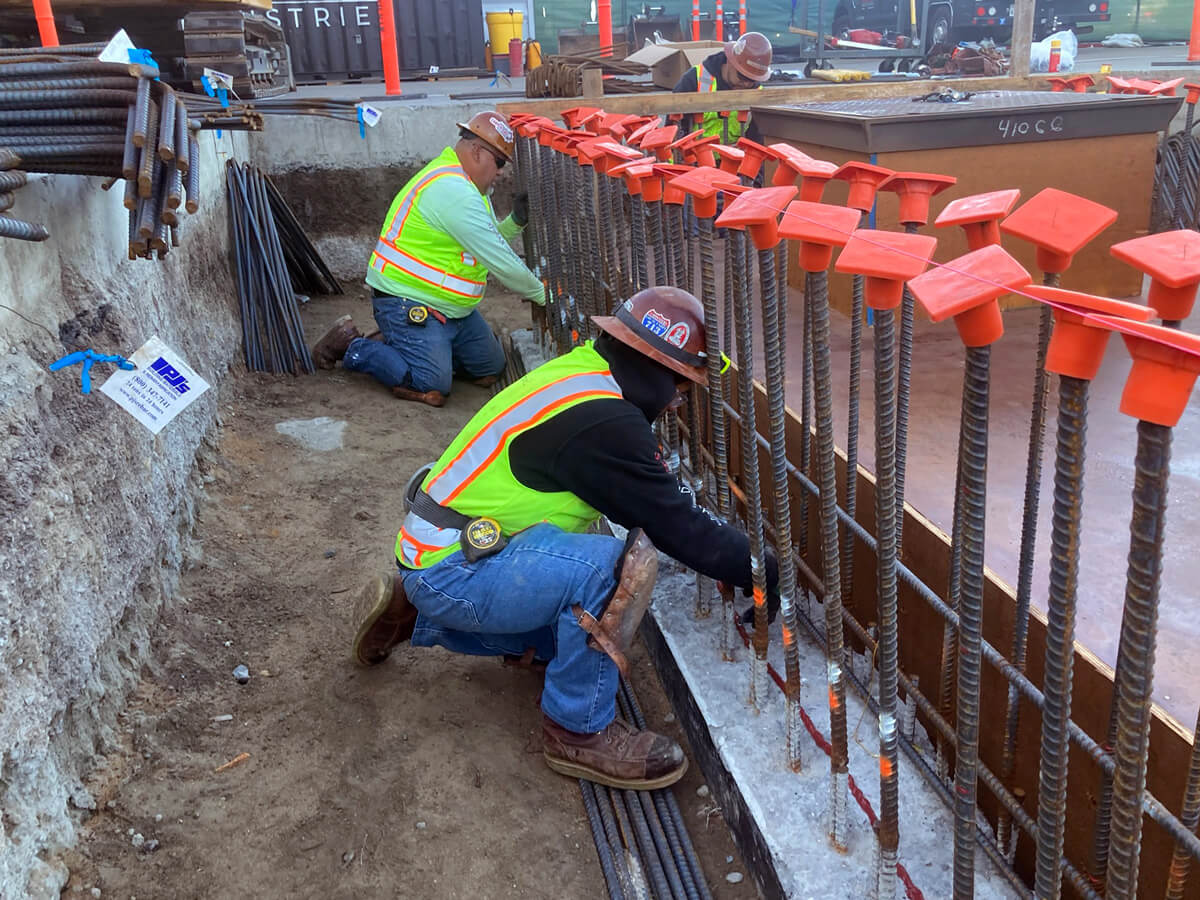
Phase 3: Civil Installation of Fueling Systems for Passenger Aircraft
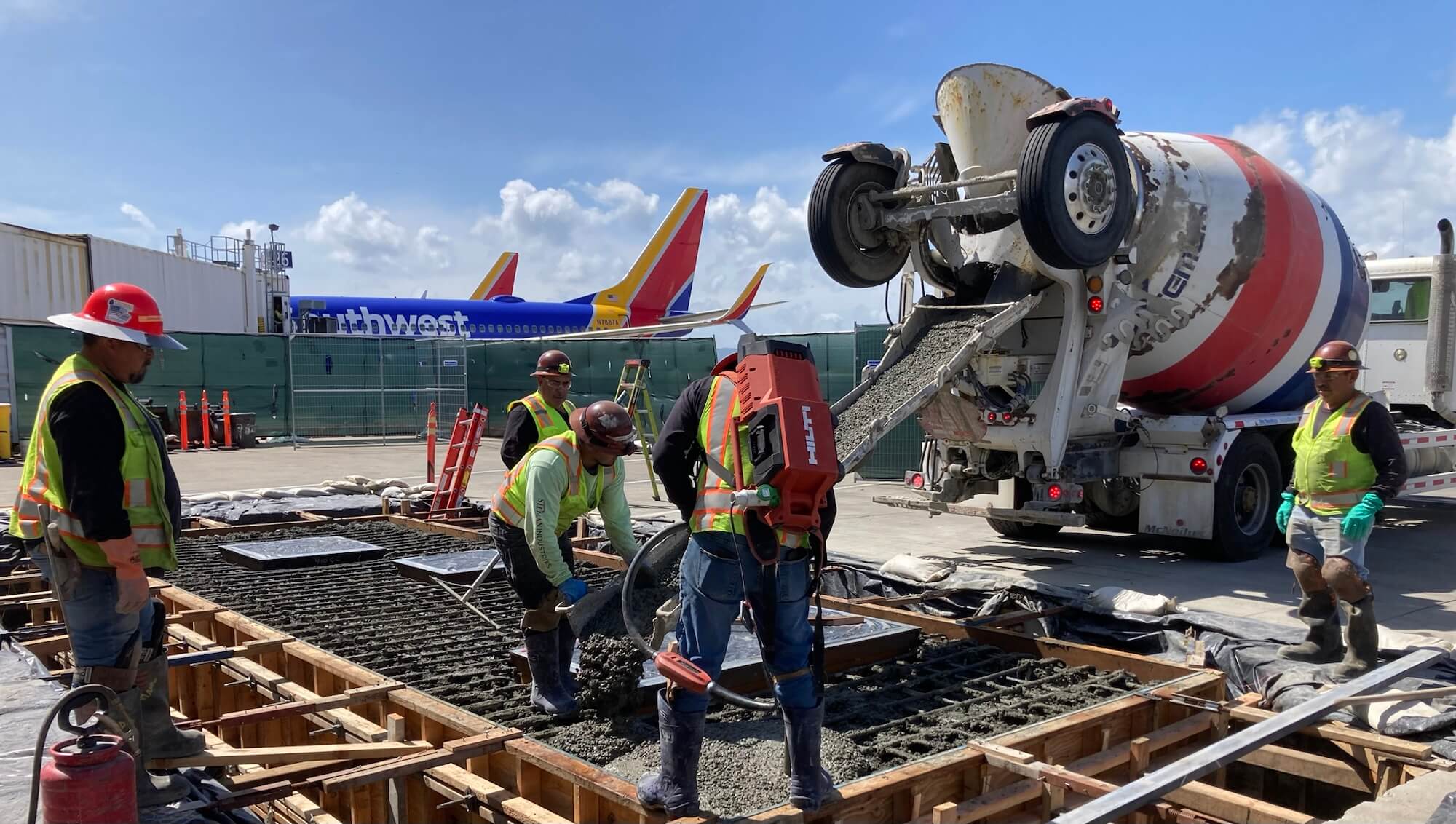
Over the next 10 weeks, the team undertook the most extensive phase of the project, which required comprehensive site preparation and specialized concrete work tailored to fueling systems. SilMan’s civil team installed cast-in-place concrete structures, meeting Modified FAA P-501 specifications, and field-molded joint sealants engineered for fuel resistance. The precision required for this work—ensuring proper slopes, containment, and structural integrity—demanded experienced professionals familiar with aviation fuel infrastructure.
Gallery: Access hatches; Fuel Stems and Actuators. Click images for full-screen view.
Phase 4: Fuel Delivery Piping Modifications for Aircraft
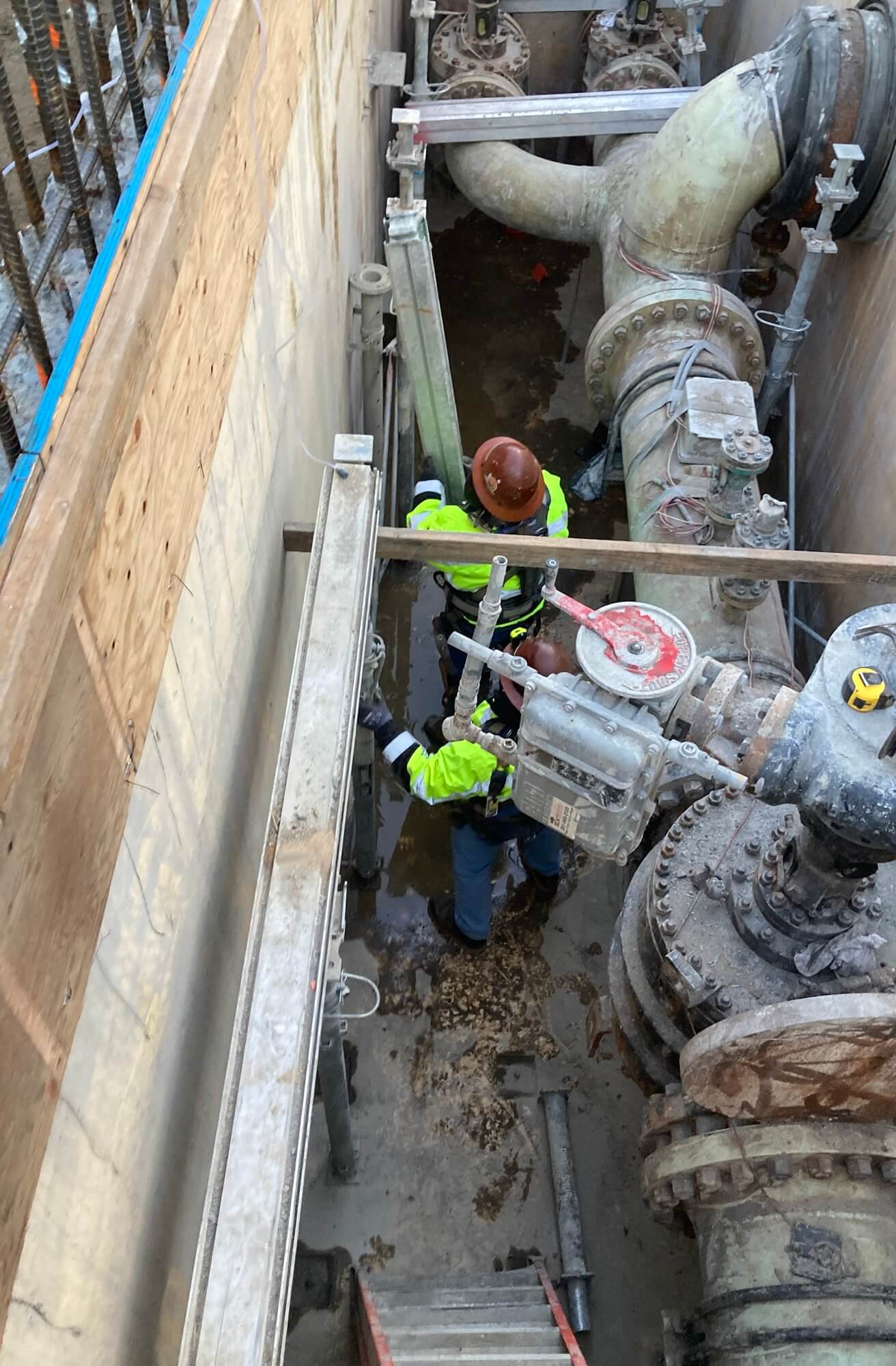
The mechanical scope centered on the fuel system’s circulatory network. The team modified existing piping configurations, installed new valves and specialties, and completed a comprehensive system inspection, testing, and flushing. Each modification was executed with the understanding that any failure could compromise the entire fuel delivery system.
Phase 5: Electrical Installation for Fuel System
Perhaps no aspect of fuel system work is more critical than proper electrical installation. SilMan’s electrical team focused on comprehensive grounding and bonding systems, installation of low-voltage conductors and cables, and deployment of new conduits and boxes. Over a three-week period onsite, the Electricians also installed enclosed controllers, ensuring all electrical systems met the stringent safety requirements for fuel handling environments.
Completed Project. Click images for full-screen view.
The Outcome: Operational Fuel Vault Excellence Through Unified Execution
By deploying its multi-disciplinary teams as a single, coordinated force, SilMan Industries delivered far more than the sum of individual trade services. The self-performance model eliminated the coordination challenges typical of multi-contractor projects, reduced communication barriers, and ensured consistent quality standards across all work elements.
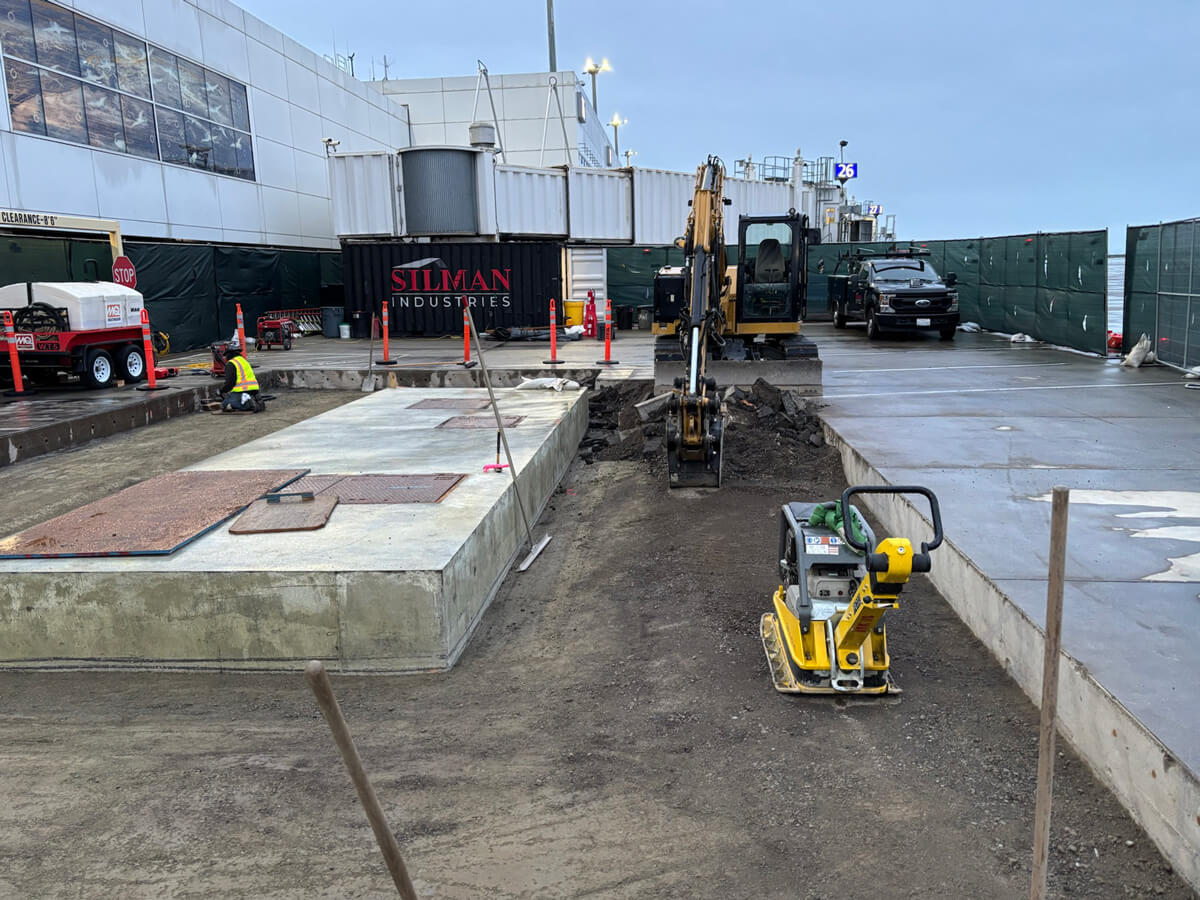
The successfully modernized fuel vault now operates with new, high-performance actuator systems, upgraded controls, and improved access infrastructure. The three new access hatches and reinforced ladder system enhance both operational efficiency and worker safety. The upgraded valve controls and actuators have restored the system to peak performance, eliminating the operational disruptions that prompted the project.
For Argus Fuel Forward and Oakland International Airport, the project validated the value of engaging a single, integrated partner for complex infrastructure work. Every aspect—from temporary barriers during construction to final fuel system coatings and close-out submittals—was executed with the precision and accountability that comes from unified project ownership.
The project also demonstrated SilMan’s ability to navigate the unique challenges of airport environments. Working within strict security protocols, coordinating with multiple stakeholders, and maintaining absolute safety standards in a fuel-critical environment, the team delivered on schedule without a single safety incident or operational disruption.
Building on Aviation Infrastructure Success
The Oakland International Airport fuel vault modification project exemplifies SilMan Industries’ evolution from a traditional contractor to a comprehensive provider of industrial solutions. By combining mechanical, electrical, and civil expertise under one roof, backed by rigorous project management and an unwavering commitment to safety, SilMan continues to redefine what clients can expect from an industrial services partner.
For airports and other critical infrastructure operators facing similar modernization challenges, the project offers a compelling model: complex, multi-trade projects can be managed with a single contractor. With the right partner, they can achieve better coordination, more transparent accountability, and superior results through integrated execution.
As aviation infrastructure continues to age across the nation, the need for experienced partners capable of executing sensitive modifications within operational environments will only grow. SilMan Industries, with its proven track record at Oakland International Airport and other critical facilities, stands ready to meet these challenges with the same integrated approach, technical expertise, and commitment to excellence that have defined the company since its founding.
About the Company
SilMan Industries (previously SilMan Construction) is based in San Leandro, Calif., with Engineering and Field Operations offices in Tupelo, Miss. The firm provides integrated turnkey solutions in the Industrial, Manufacturing, Distribution, and Public Works sectors.
Notably, in 2010 SilMan Industries was contracted to dismantle and remove the NUMMI assembly line in Fremont, Calif., transport the equipment, and reinstall the system in Blue Spring, Miss., establishing Toyota Motor Manufacturing Mississippi (TMMMS). This high-visibility project ignited the company’s meteoric growth, laying the foundation for SilMan’s national service area.
For more information, please visit www.silmanindustries.com/about.

Optimize Your Investment
SilMan’s multi-disciplinary Specialty Trade Services (STS) is a community of project professionals: Engineers, Project Managers & Coordinators, Trade Teams, and Safety Management. Bringing a new performance standard throughout the industrial community:
STS commonly supports the SilMan System Integration group. Specializations include distribution center optimization for the Fulfillment and Parcel sectors (see “A Comprehensive Guide to Efficient Parcel Handling Systems”), food and beverage manufacturing and warehouse solutions, and end-to-end innovative manufacturing solutions.
Check out SilMan’s “One Team” approach in action: Facility improvements and a new bottling line at a leading West Coast dairy.
Frequently Asked Questions for Fuel Vault Modifications at OAK
What are the major safety and regulatory requirements for civil work on an active airport fuel vault?
Construction on an active airport fuel vault requires strict adherence to regulations to ensure operational safety and compliance. Requirements include meeting FAA standards (such as Advisory Circular 150/5230-4C and FAA P-501 specifications for fuel-resistant concrete), following NFPA 407 (Standard for Aircraft Fuel Servicing), and implementing OSHA protocols for flammable liquids. Additional critical safety measures include the installation of specialized grounding and bonding systems and maintaining rigorous containment protocols.
How can critical fuel infrastructure be modernized without disrupting daily airport operations?
This modernization project was achieved through a phased, incremental approach guided by a unified, multi-trade execution model. SilMan used rigorous project management on the OAK fuel vault project to coordinate with air traffic and schedule work during non-peak hours. By deploying a single, self-performing team for the civil, mechanical, and electrical scopes of the work, the project minimized coordination delays and ensured a continuous jet fuel supply throughout the seven-month timeline.
What is "fuel vault actuator modernization" and why is it necessary for aging airports?
Actuator modernization involves replacing aging mechanical components, specifically valve controls and actuators, with new, high-performance electrical and control systems. Older actuators often become unreliable and prone to failure, which directly threatens the reliability of jet fuel delivery to aircraft and can cause system-wide disruptions. Upgrading these sophisticated controls results in peak operational efficiency and eliminates the risks associated with obsolete technology.
